Cory Doctorow Quotes
There are people already sharing eBooks out there, .. and they do it simply because they love books. You don't buy a second copy of a book, cut the spine off, lay each page on a scanner, run that .tif through an OCR (Optical Character Reader), hand edit the resulting output for errors and then post it online if you don't love the book. it can up to 80 hours to turn a printed novel into an eBook. I figure if someone out there is willing to put in 80 hours of work promoting my book, then I'd prefer they do it in a way that gives a better return to me.
Doctorow, Cory. "Ebooks: Neither E, Nor Books." Content: Selected Essays on Technology, Creativity, Copyright, and the Future of the Future, Tachyon Publications, 2008.


At first, there is an advantage to not recognizing copyright and allowing stealing from foreign publishers, but soon the point is reached where the practice precludes the country from developing its own writers and journalists. The same will likely be true for China and other nations where international copyright is not recognized or not enforced.


In the early years of our nation, there was not much intellectual property being developed in America. We were an underdeveloped nation, and we took whatever we could get regardless of laws. Alexander Hamilton for example urged obtaining industrial trade secrets and even machines by whatever means was necessary. However in the latter part of the 19th century, Nathaniel Hawthorns, Mark Twain and other creative Americans persuaded the government to join copyright conventions; we had become the victim of intellectual piracy rather than the pirates. Then we became the leading nation in advocating and enforcing intellectual property rights. This coincided with our becomng the leading producer of intellectual property. Intellectual property rights has always been an issue of “whose ox was gored.” The US position is somewhat hypocritical given our early history. However, respect for intellectual property rights, we now argue, in our modern global economy will encourage businesses to not only invest in developing countries but allow their technology and trade secrets to be used in the developing nation.


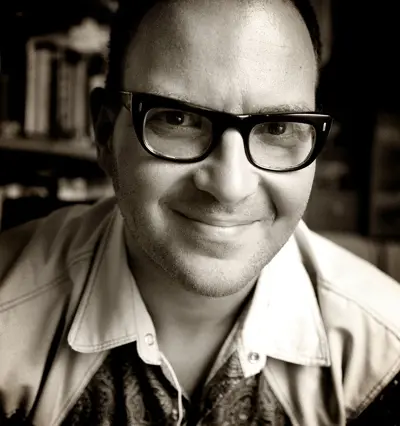
Cory Efram Doctorow is a Canadian-British blogger, journalist, and science fiction author who served as co-editor of the blog Boing Boing. He is an activist in favour of liberalising copyright laws and a proponent of the Creative Commons organization, using some of their licences for his books. Some common themes of his work include digital rights management, file sharing, and post-scarcity economics.
