Joseph Campbell Quotes
There are mythologies that are scattered, broken up, all around us. We stand on what I call a terminal moraine of shattered mythic systems that once structured society. They can be detected all around us. You can select any of these fragments that activate your imagination for your own use. Let it help shape your own relationship to the unconscious system out of which these symbols have come.
Campbell, Joseph. Pathways to Bliss: Mythology and Personal Transformation. Edited by David Kudler, New World Library, 2004.


Blight was referring to one classic example where the myth developed in the South and spread to the rest of the country, that the Civil war motivation was not to maintain slavery but a noble fight for freedom and states rights. Nothing could be further from the truth. Most of the seceding states had a legislative declaration of secession and all of them stated maintaining slavery was the cause of the war and secession. None mentioned a general principle of states’ rights. As a matter of fact the State’s rights issue went the other way. It was the Northern states that refused to obey the Dred Scott decision of the Supreme Court to return fugitive slaves. The Northern states claimed State’s rights and the South responded that states had no right to nullify a Federal Law that had been upheld as constitutional by the Supreme Court. The historical myths that nations create, puts a more acceptable veneer on disreputable behavior of the past. The United States does this but other nations do as well, and some of the myths cause conflict and violence hundreds of years later as with the Balkans where each ethnic subgroup has its own myths all of which are wrong but believed.


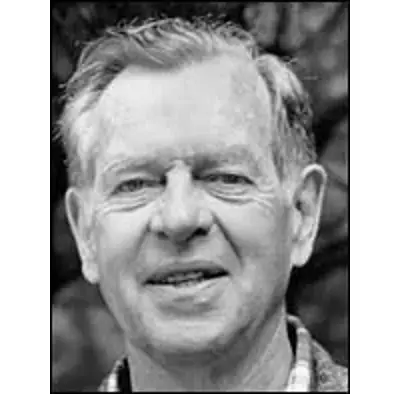
Joseph John Campbell was an American professor of literature at Sarah Lawrence College who worked in comparative mythology and comparative religion. His work covers many aspects of the human experience. Campbell's best-known work is his book The Hero with a Thousand Faces (1949), in which he discusses his theory of the journey of the archetypal hero shared by world mythologies, termed the monomyth.
