Khaled Hosseini Quotes
The warlords took part in atrocities during the civil war in Afghanistan. They looted, they raped, they killed. They have become incredibly empowered and entrenched. They live in mansions, they have jobs in the government, and they're incredibly powerful. In Kabul, people don't want to speak about it too publicly, because these people are essentially like Tony Soprano.
Hosseini, Khaled. Interview.


Yet we continued to give the government aid.

While there were atrocities committed by both sides in the Civil War, the proportion tended to be heavily weighted by Confederate perpetrations. The Confederate officers were not appointed by the command structure and under strict military discipline, but they were elected by the troops and could be so removed (except for the general officers who were appointed by the confederacy). Also, the confederate troops were not as well fed or supplied as the North and they had fewer resources with which to fulfill their obligations to prisoners. In a number of battles, ill-clothed soldiers stripped the Union dead, wounded and prisoners, often naked to use their shoes, blankets and clothing, Union prisoners of war were much more badly abused in the prisoners of war camps like Andersonville which were not under the command of Robert E. Lee.


Paul tended to be one of the very few Republicans who did not favor American intervention in Syria.

The convoy was heading for the city of Alleppo that had been under siege by the government for weeks. 22 UN Aid Workers were killed and half the cargo was destroyed. Syria had been in a Civil War for a number of years, and the Government of Bashar al-Assad had committed one atrocity after another. A cease fire had been agreed to and the UN notified all parties to the war about the humanitarian convoy’s schedule and route. It was not known whether the government had decided to attack the convoy to put more pressure on the people in Aleppo to end their rebellion or the attack was made by local commanders of government troops who did not want to see the pressure on Aleppo lifted.


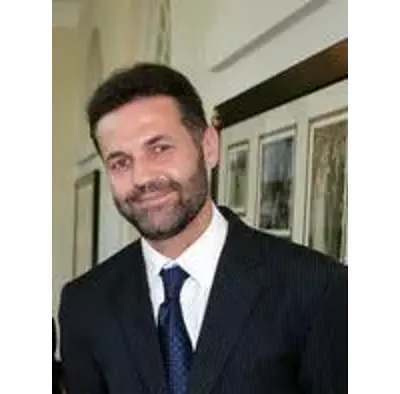
Khaled Hosseini is an Afghan-American novelist, physician, activist, humanitarian, and UNHCR goodwill ambassador. His debut novel The Kite Runner (2003) was a critical and commercial success; the book, as well as his subsequent novels, have all been at least partially set in Afghanistan and has featured an Afghan as the protagonist.
