Friedrich Schiller Quotes
The voice of our age seems by no means favorable to art, at all events to that kind of art to which my inquiry is directed. The course of events has given a direction to the genius of the time that threatens to remove it continually further from the ideal of art. For art has to leave reality, it has to raise itself bodily above necessity and neediness; for art is the daughter of freedom, and it requires its prescriptions and rules to be furnished by the necessity of spirits and not by that of matter.
Schiller, Friedrich. On the Aesthetic Education of Man. Translated by Reginald Snell, Yale University Press, 1954, Letter II, p. 26.


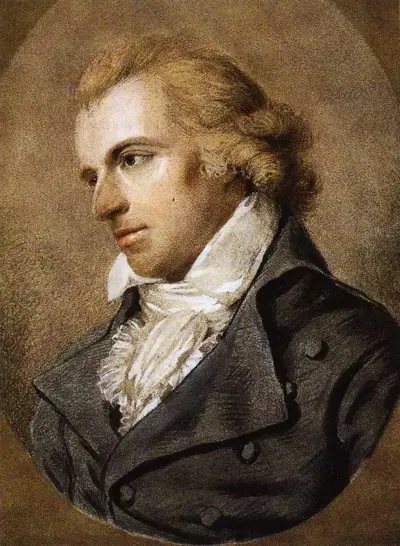
Johann Christoph Friedrich (von) Schiller was a German poet, philosopher, physician, historian, and playwright. During the last seventeen years of his life (1788–1805), Schiller developed a productive, if complicated, friendship with the already famous and influential Johann Wolfgang von Goethe. They frequently discussed issues concerning aesthetics, and Schiller encouraged Goethe to finish works he left as sketches. This relationship and these discussions led to a period now referred to as Weimar Classicism. They also worked together on Xenien, a collection of short satirical poems in which both Schiller and Goethe challenge opponents of their philosophical vision.
