Grace Lee Boggs Quotes
The struggle we're dealing with these days, which, I think, is part of what the 60s represented, is how do we define our humanity?
Boggs, Grace Lee. Interview by Bill Moyers. Bill Moyers Journal, PBS, 15 June 2007.


There had been a major labor strike in the textile mills of Lawrence. Ettor was one of the major strike leaders and strategists. The city authorities sided totally with the mill owners and used police and militia to try and break the strike. When one of the strikers was shot and killed (historians generally agree that the police had fired the shot), the authorities used the death to incapacitate the leadership of Ettor and two other “socialist” leaders who were professional strike organizers and leaders. The 3 were arrested and charged with murder, firing the shot that killed the striker. Ettor and the others were miles away at the time giving speeches to the strikers at another mill. None-the-less, they were arrested, jailed, and not even tried until after the strike was ended. The three were quickly acquitted. The jailing of the strike leaders backfired and made the strikers even more resolute. The laborers finally won the concessions, not to have their pay cut. The defendants went on to lead other strikes.


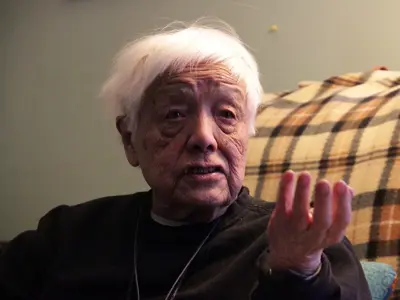
Grace Lee Boggs was an American author, social activist, philosopher, and feminist. She is known for her years of political collaboration with C. L. R. James and Raya Dunayevskaya in the 1940s and 1950s. In the 1960s she and James Boggs, her husband of some forty years, took their own political direction. By 1998, she had written four books, including an autobiography. In 2011, still active at the age of 95, she wrote a fifth book, The Next American Revolution: Sustainable Activism for the Twenty-First Century, with Scott Kurashige and published by the University of California Press. She is regarded as a key figure in the Asian American Movement.
