Harry A. Blackmun Quotes
The right of an individual to conduct intimate relationships in the intimacy of his or her own home seems to me to be the heart of the Constitution's protection of privacy.
Blackmun, Harry A. Dissenting Opinion. Bowers v. Hardwick, 478 U.S. 186, Supreme Court of the United States, 30 June 1986, p. 208.


Both the United States and Canada had laws regulating the sexual behavior of citizens in the privacy of their own homes. It was not just homosexuality that the state attempted to control. Even the specific positions and methods of heterosexual intercourse were controlled by some states. Oral sex, certain positions of intercourse and other “details” could put a person in jail. Canada, a parliamentary nation, changed this by legislation. In the United States, it was the Supreme Court decisions protecting privacy that invalidated these old sexual role restrictions and prescriptions. For example, just 4 years before this quotation was made, 1963, the state of Connecticut was ordered (Griswald v. Connecticut) to release a pharmacist for the “crime” of filling a doctor’s prescription for condoms for a married couple where the wife would likely die if she became pregnant and carried the baby to term.


Ford was among the early attackers of the cigarette. He announced that he would refuse to employ smokers {600552}.

Israel, like the UK, does not have a constitution or bill of rights per se, and laws passed by the Knesset serve the role of enumerating rights.


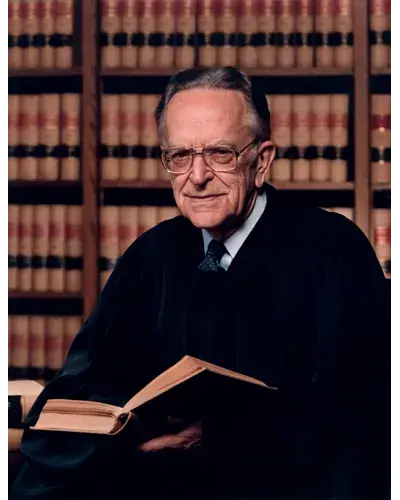
Harry Andrew Blackmun was an American lawyer and jurist who served as an Associate Justice of the Supreme Court of the United States from 1970 until 1994. Appointed by Republican President Richard Nixon, Blackmun ultimately became one of the most liberal justices on the Court. He is best known as the author of the Court's opinion in Roe v. Wade, which prohibits many state and federal restrictions on abortion.
