Fidel Castro Quotes
The revenues of Cuban state-run companies are used exclusively for the benefit of the people, to whom they belong.
Castro, Fidel. Television Broadcast. Havana, Cuba, 15 May 2006.


Colman’s view that business failures contributing to society may be more important than the contributions of the wealthy and successful has been a common theme where failed business men make great politicians (Truman) or failed politicians are appreciated as great philosophers (Paine). This seems to be the first American argument that a failed economic enterprise can have a very beneficial short and/or long term effect on economic development. The failed business could start an entire industry which succeeds later when technology or capital becomes more readily available, or even if implemented by a better manager. Arguably, the California gold rush miners never made any significant money, but their presence changed the economic fact of California. The American airline industry has made little or no money in its history but has enabled development throughout the nation. And the dot com bubble may well have been an economic debacle of the end of the 20th century, but it spurred economic development that has benefited the entire globe.


Announcing a large gift to the United Negro College Fund:


In any significant change of public policy including public investments, some will benefit more than others, and some interests will be harmed. Unless the politician is willing to face this reality there will be little or no progress. Bloomberg invested a great deal in improving air quality of the city, but there were some companies who had to pay more to reduce their pollution.


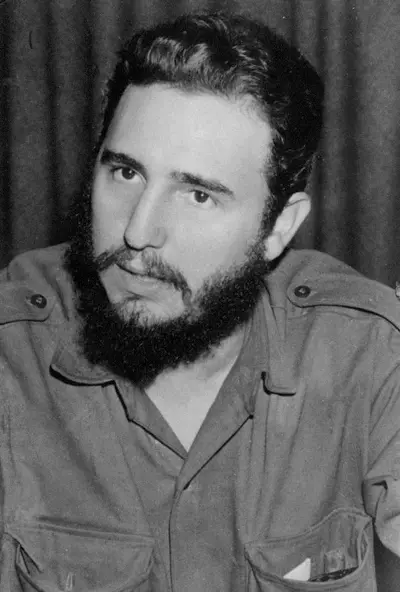
Fidel Alejandro Castro Ruz better known internationally as Fidel Castro, was a Cuban revolutionary and politician who served as Prime Minister of Cuba from 1959 to 1976 and President from 1976 to 2008. Ideologically a Marxist–Leninist and Cuban nationalist, he also served as the First Secretary of the Communist Party of Cuba from 1961 until 2011. Under his administration, Cuba became a one-party communist state; industry and business were nationalized, and state socialist reforms were implemented throughout society.
