Debbie Stabenow Quotes
The Republicans have a very traditional focus over and over again whether or not it's worked.
Stabenow, Debbie. "Interview with Sen. Debbie Stabenow." MSNBC Live, NBCUniversal, 12 Oct. 2011.


The Republicans had lost the 1960 Presidential election narrowly with the moderate wing of the party in control. Goldwater argued that to win, the appeal must be much more conservative and that what characterized the campaign with the right wing of the party in control. This time, the Republicans were trounced by one of the largest margins in history.


In 2010 there was a very conservative populist movement that not only took a very right wing position for traditional Republicans, but attracted many of the racists, Nazis, and extreme fringe movements that embarrassed many of the Tea Party members who, because it was a movement and not a disciplined party hierarchy, claimed that they could not be responsible for the hateful signs and slogans of a minority of people who would show up at a Tea Party rally. At the same time, the Tea Party endorsed some candidates who were not very well vetted and were so extreme or quirky (one had been into witchcraft) that orthodox Republicans didn’t want to be associated with them. The moderate Republicans especially were placed in an awkward position as some of the Tea Party candidates unseated incumbent Republicans in primary elections and then some made very weak candidates in the general elections while others were more successful. Palin, already at the populist and quirky wing of the Republican Party warned and threatened the moderates.


That was not always true. Many of the greatest Republican Presidents and other political leaders argued for and passed many new taxes when they thought they were needed. The radical shift to the extreme right of the Republicans started in the latter part of the 20th century and continued into the 21st.


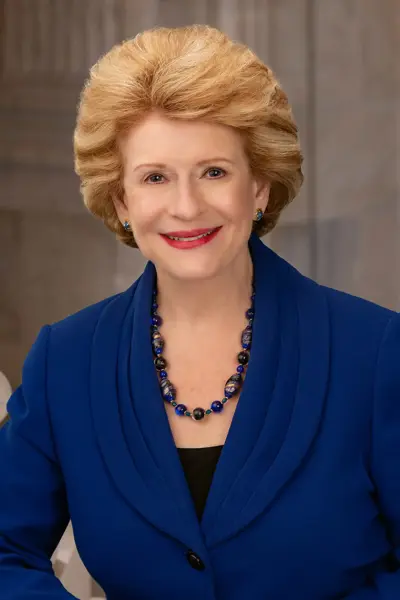
Deborah Ann Stabenow is an American politician serving as the senior United States Senator from Michigan, a seat she was first elected to in 2000. A member of the Democratic Party, she became the state's first female U.S. senator after defeating Republican incumbent Spencer Abraham. Before her election to the Senate, she was a member of the U.S. House of Representatives, representing Michigan's 8th congressional district from 1997 to 2001. Previously she served on the Ingham County Board of Commissioners and in the Michigan State Legislature.
