Glenn Loury Quotes
The primary contact between Black men and the government today is the prison system.
Glenn C. Loury, Economist, Interview, PBS Fair Game, October 4, 2007
Sourced by: Eigen's Political and Historical Quotations


Two decades earlier leading Black politicians, observing the differential deleterious effects of drug use on Blacks called for a massive Federal effort to diminish substance abuse. The War on Drugs responded and reduced the drug use in America somewhat. However, the unintended consequences—especially for Blacks—caused many Black politicians to call for an end or serious curtailing to the War on Drugs. The differential effect on Black males was dramatic. White drug dealing tended to occur in private offices and homes where black dealing takes place to a greater extent on the streets where the lower level dealers are much more likely to be caught. The differential penal;ties for possession or selling of powdered cocaine (preferred by whites) and crack cocaine (preferred by Blacks) caused many more Blacks to be jailed. With less access to the better attornies, the Bplacks tend to get longer sentences, even for the same crime. In addition, the drug of choice for most whites is alcohol which was made legal while the drugs of choice for Blacks are illegal. In many Black urban neighborhoods like Newark, the majority of young Black men arwere in jail for ddrug law violations. See {624056} for a concurring opinion.

The vast majority of the million Blacks in prison have been sentenced for using or selling drugs.


There is a significant argument as to whether of not race should be used to try and predict the variables that will likely produce crimes. Some social scientists argue that virtually everything correlates with race {633357} and therefore the predictions are meaningless. Here, Kurtz argues that if you do not use race, since it does correlate with so much, then you might as well not try and determine the predictive factors of crime. Reality lies in the center, use race as one of the statistical variables but do not use it for profiling potential criminals and potential suspects unless there is observable and not deduced or inferred evidence of race in the crime.


Brewster was commenting on the murder trial of the Black Panther leader Bobby Seale. At the time, feeling and fear were so great, and the media coverage so intensive, as to make such fair trials difficult.


Instead of standing and saluting as professional athletes have done for decades before games, he kneeled and refused to stand. This caused great public criticism but also some initial support. He was potentially risking his multimillion dollar salary as this technically violated his contract to avoid anything embarrassing to the team. He also donated $1 million to programs in the area that were working to enhance Black/white understanding. Even those who disagreed with his choice of protest defended his right to do so, and after the initial furor, public opinion, while not in agreement about his method, tended to support him for having the courage of his convictions and using his celebrity for a worthy cause. After sensing the public opinion, his team matches his $1 donation. Professional athletes both in the NFL and in other sports then began to do the same as a form of protest for the large, disproportionate, number of black men who were killed, mostly when unarmed, by police. The reference to the “paid leave” was the practice followed by most police departments—usually required by collective bargaining agreements with police unions—of placing police officers accused of committing violations of laws or regulations on paid administrative leave while all the investigations, hearings, and other processes . While this practice protected the rights of those police officers who were not guilty, it ended up paying brutal murders for a some time entire their case was decided or acted upon be the district attorney.


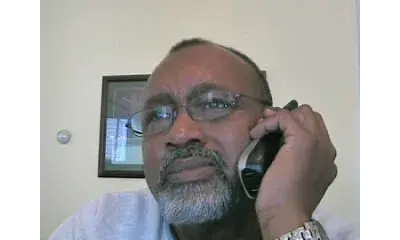
Glenn Cartman Loury is an American economist, academic, and author. In 1982, at the age of 33, he became the first African American tenured professor of economics in the history of Harvard University. He is the Merton P. Stoltz Professor of the Social Sciences and Professor of Economics at Brown University.
