Alice Morse Earle Quotes
The pillory and stocks, the gibbet, and even the whipping-post, have seen many a noble victim, many a martyr. But I cannot think any save the most ignoble criminals ever sat in a ducking-stool.
Earle, Alice Morse. Curious Punishments of Bygone Days. Herbert S. Stone & Company, 1896, p. 33.


Livermore's argument fell on deaf ears, and the amendment was passed over the objection of a few arch-conservatives.
William the Conqueror. This is one of the first if not the first nationwide abolition of capital punishment in history. Ironically, the two alternatives that the abolition law allowed would both be illegal and repugnant to us today even though we allow capital punishment.


This Biblical passage is often used by fundamentalists who claim that any child abuse laws limiting their right to discipline their children is an unconstitutional interference with their religious duty. Even in the early American colonies this was an issue. See Cotton Mather: {612010}


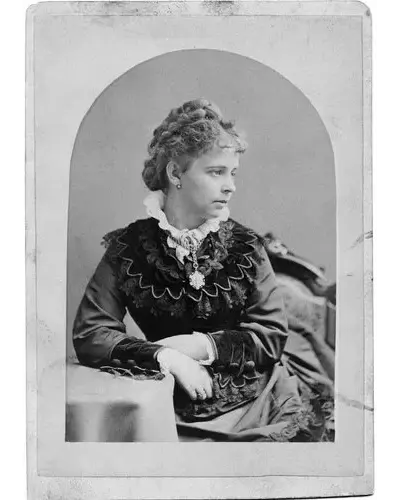
Alice Morse Earle was an American historian and author from Worcester, Massachusetts. She was christened Mary Alice by her parents Edwin Morse and Abby Mason Clary. On 15 April 1874, she married Henry Earle of New York City, changing her name from Mary Alice Morse to Alice Morse Earle. Her writings, beginning in 1890, focused on small sociological details rather than grand details, and thus are invaluable for modern social historians. She wrote a number of books on colonial America (and especially the New England region) such as Curious Punishments of Bygone Days.
