Dambisa Moyo Quotes
The notion that aid can alleviate systemic poverty, and has done so, is a myth. Millions in Africa are poorer today because of aid; misery and poverty have not ended but increased. Aid has been, and continues to be, an unmitigated political, economic, and humanitarian disaster for most parts of the developing world.
Moyo, Dambisa. Dead Aid: Why Aid Is Not Working and How There Is a Better Way for Africa. Farrar, Straus and Giroux, 2009, p. xix.


In 1921, there was a terrible famine in Communist Russia. The United States was ambivalent about humanitarian relief to the leading Bolshevik county while there were Communist supporters in the U. S. who were setting off bombs and calling for the overthrow of the democratic government. Herbert Hoover persuaded President Warren G. Harding that food aid relief was a moral obligation and would do much to weaken Bolshevism. 400 ARA Americans went to Russia and hired over 120,000 Russians to implement the relief program. Rarely in human history have this few people with the resources made available to them saved as many lives as Hoover and his staff did. A number of the Americans died in Russia from disease and those who survived worked under near impossible conditions. Ironically, while it created much good will towards the United States, many including Hoover suspected that the program and the pressure that the Americans put on the Soviet Government officials for more efficient administration may have forced the Soviet Government to learn how to organize much of othe society like the railroads, thus strengthening the Communist Party’s control over the country.


The International Finance Corporation (IFC), an organization supposedly devoted to financing poverty elimination had supported the building of a luxury 5-Star hotels in Ghana, Egypt and several other poor nations. The construction creates jobs as does the operation of the hotel, but critics complain that the impact on poverty is small compared to the size of the investment. The fancy hotels are too expensive for the local small businessmen and women to use in their commercial development. The elites and the AID givers and NGOs of course have better—and more expensive—accommodations.


His definition of foreign aid given in this quotation is a classic example of political rhetoric. It is exaggerated somewhat, but basically true. The poor in America do not really pay much in taxes that would pay for foreign aid. However the middle class does. In the foreign counties much of the foreign aid money gets siphoned off by graft and corruption which is inevitably dominated by some of the rich of the country. Even if the money is spent without any graft or bribery, materials have to be procured and labor has to be supplied and foreign rich people own the companies which make the profits selling goods, labor and services to the foreign aid projects. In some nations the rich had set up a two-tier pricing for their products and services. One for normal business and commerce; a higher one for foreign aid projects.


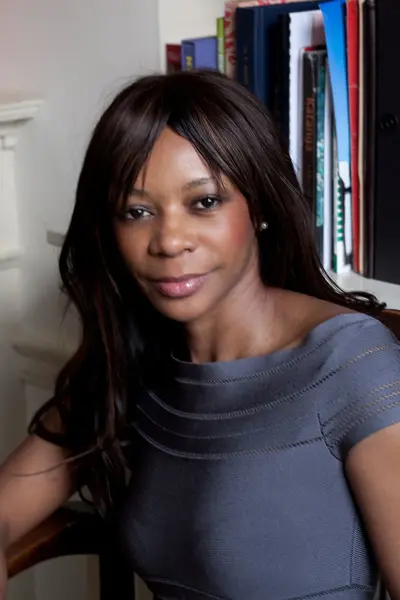
Dambisa Felicia Moyo is a Zambian economist and author who analyzes the macroeconomy and global affairs. She currently serves on the boards of Chevron Corporation and the 3M Company. She worked for two years at the World Bank and eight years at Goldman Sachs before becoming an author and international public speaker. She has written four New York Times bestselling books: Dead Aid: Why Aid Is Not Working and How There Is a Better Way for Africa (2009), How the West Was Lost: Fifty Years of Economic Folly – And the Stark Choices that Lie Ahead (2011), Winner Take All: China's Race for Resources and What It Means for the World (2012), and the most recent Edge of Chaos: Why Democracy Is Failing to Deliver Economic Growth – and How to Fix It (2018). She holds a bachelor's degree in chemistry and an MBA from American University, an MPA from the Harvard Kennedy School, and a DPhil in economics from the University of Oxford.
