Clint Smith Quotes
The moral abhorrence of private prisons has been brought to our attention by courageous acts of investigative journalism, illuminating scholarship, and the work of activists who have decried the social stratification brought about by our prison systems.
Smith, Clint. "Why Prison Education Matters." The Atlantic, 2017.


This is a paradoxical aspect of the parole system. If someone is granted parole, they must agree to state supervision of them for as long as the state deems it important. Random drug tests, access to their bank accounts, reporting any gang member may may contact and reporting to the parole board periodically are but 4 examples of the kind of supervision that can be required, So if a perceived dangerous criminal is considered too risky for parole after say ¾ of his sentence has been served, her serves the other ¼ and then is totally free and may not be supervised. He can move wherever he wants, do any kind of work he wanted and hank out with whoever he wants and the state can do nothing. If he had been granted parole he could be monitored and supervised as long as the state thinks it necessary.


The sheriff was responsible for the Cook County Jail. At the time of the interview, Dart had 2500 mentally ill people in his job, making the Cook County Jail the largest insane asylum in the country. The worst part about that situation was that the jail is in no position to provide proper diagnosis and treatment for the mentally ill.


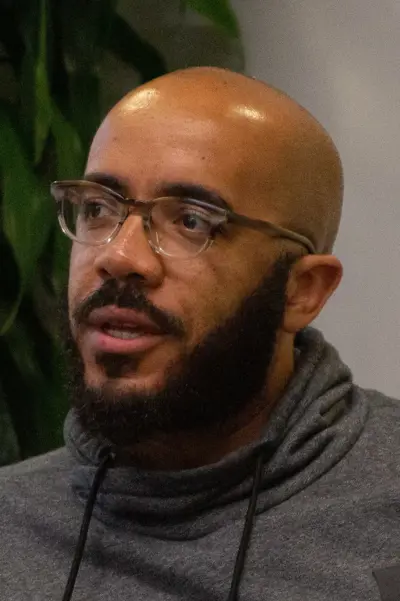
Clinton Smith III is an American writer, poet and scholar. He is the author of Counting Descent, a 2017 poetry collection that was a finalist for the NAACP Image Awards and won Best Poetry Book from the Black Caucus of the American Library Association. Smith is also a doctoral candidate at the Harvard Graduate School of Education. He is a regular contributor to the Pod Save the People podcast, where he discusses the week's news with a panel of other activists.
