George Herbert Quotes
The market is the best garden.
Herbert, George. Jacula Prudentum. T. Maxey for T. Garthwait, 1651.


[Most theoretical conservative economists believe this. When presented with the reality of market systems where great damage was done to people and areas, as in the Great Depression of 1929 and the Great Recession in 2008, they tend to argue that these were not really free markets—–that for various reasons, often they argue that government interference, corrupted the free market. Almost all economists would agree that if there were real highly competitive market his quote would be corrupt, but many have shown that the very greed that is produced by a free market tends to make the major players transform the market to reduce their risk and increase their power, thus producing monopoly, oligarchy, collusion, and anti-competitive practices. Greed is never harmless if it gets enough power.]


He had just been appointed Finance Minister in the midst of a severe recession with the Japanese stock market and currency badly depressed.


The debate over whether the government ought to buy what it needs in the marketplace is as old as our country. Despite men like Jefferson having been strong advocates for market purchases of goods and services for government, there is even by the 21st century a marked tendency to have government actually do the needed work and create the needed merchandise. Even when the private sector is used, the market is avoided by sole source, non-competitive contracts and in the case of military research the National Laboratories were created which are means of avoiding the competitive marketplace and have the work done by entities that are Federal proxies.

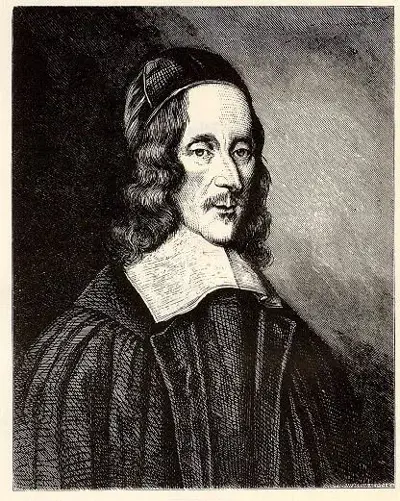
George Herbert was a Welsh-born poet, orator, and priest of the Church of England. His poetry is associated with the writings of the metaphysical poets, and he is recognised as "one of the foremost British devotional lyricists." He was born into an artistic and wealthy family and largely raised in England. He received a good education that led to his admission to Trinity College, Cambridge, in 1609. He went there with the intention of becoming a priest, but he became the University's Public Orator and attracted the attention of King James I. He served in the Parliament of England in 1624 and briefly in 1625.
