Pierre-Joseph Proudhon Quotes
The law does not generate justice. The law is nothing but a declaration and application of what is just.
Proudhon, Pierre-Joseph. What is Property? An Inquiry into the Principle of Right and of Government. Translated by Benjamin R. Tucker, B. R. Tucker, 1876, p. 24.


The Senator was arguing against a bill to correct an aspect of the immigration law where infants and very young clildren are broght to the United States by parents who entered illegally. The children grow up in the United States—the only country and home that they have ever known. American law required that they be deported to “their countries” which they have no memory of and many do not even speak the language or know the culture. Sessions, is an example of the view that law defines justice. Therefore laws cannot be unjust nor can enforcing the law. Opponents point out that even in the United States we have, in earlier times, “enforced the law” which we came to regret and see as an injustice. The Fugitive slave laws, the Southern racial discrimination laws, and the law allowing Japanese American Citizens to be interned and lose their land during WWII are a few examples of laws, the enforcement of which is seen by most Americans as having been unjust. The execution of “witches” in early America was in conformity with the law.


The Senator was referring to the immigration laws which many, including him, thought were unjust, unfair, racist and discriminatory.


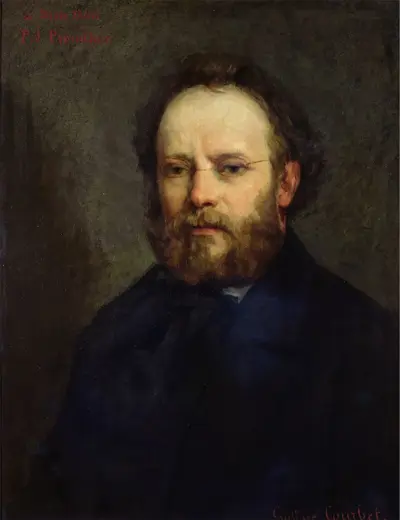
Pierre-Joseph Proudhon was a French socialist, politician, philosopher, economist and the founder of mutualist philosophy. He was the first person to declare himself an anarchist, using that term and is widely regarded as one of anarchism's most influential theorists. Proudhon is considered by many to be the "father of anarchism". Proudhon became a member of the French Parliament after the Revolution of 1848, whereafter he referred to himself as a federalist. Proudhon described the liberty he pursued as "the synthesis of communism and property". Some consider his mutualism to be part of individualist anarchism while others regard it to be part of social anarchism.
