Rigoberta Menchu Quotes
The inaction of the international community towards Guatemala is injustifiable. The community should play an active role with concrete measures and sanctions imposed, as was the case in South Africa, Iraq, Yugoslavia, Cuba and Haiti. Why for us no? Why legalize death in one place and somewhere else no? This is clear in our memories.
Menchú, Rigoberta. Crossing Borders. Translated and edited by Ann Wright, Verso, 1998, p. 90.


[During the Guatemalan Civil War, the military had often tortured, murdered disappeared and sexually enslaved female relatives of men they suspected of being rebel. The object was to humiliate and emasculate the insurrectionists so that others will not join them and they will cease their revolutionary activities to protect their women. The civil war ended in 1996, and although military war criminals had been tried earlier but never for crimes – sexual crimes against women. 20 year had elapsed since the end of the war and this famous trial. The two war criminals were sentenced to 120 and 240 years in prison respectively, but they had escaped justice for more than two decades. The United States, in the middle of the Red Scare was supporting and financing the Guatemalan government and military. In addition America trained many of the military in counter-insurgency which taught some methods that were contrary to International Law and which were illegal for American soldiers to engage in. After official documents of the era were declassified, it became clear that U. S. officials—–especially the CIA--were aware of the excesses and war crimes of the Guatemalan military, but did little to stop it. See Quotes 583698, and 583699 for more on the American involvement.


3 years thereafter Saddam was tried by an Iraqi court, found guilty, and hanged.


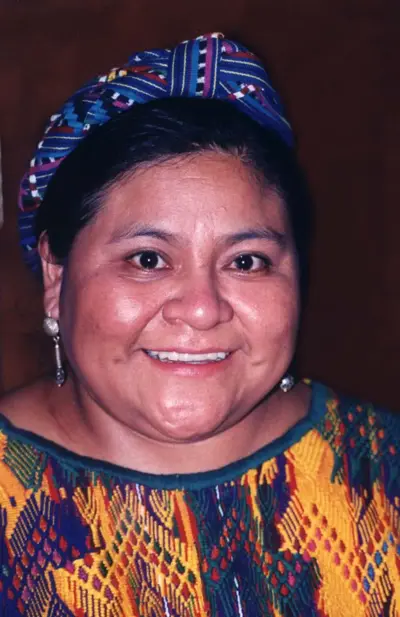
Rigoberta Menchú Tum is a K'iche' Guatemalan human rights activist, feminist, and Nobel Peace Prize laureate. Menchú has dedicated her life to publicizing the rights of Guatemala's Indigenous peoples during and after the Guatemalan Civil War (1960–1996), and to promoting Indigenous rights internationally.
