William Graham Sumner Quotes
The great hinderance to the development of this continent has lain in the lack of capital.
Sumner, William Graham. What Social Classes Owe to Each Other. Harper & Brothers, 1883, p. 51.


In any significant change of public policy including public investments, some will benefit more than others, and some interests will be harmed. Unless the politician is willing to face this reality there will be little or no progress. Bloomberg invested a great deal in improving air quality of the city, but there were some companies who had to pay more to reduce their pollution.


What is interesting about this quotation, is the author. This is a typical observation of a conservative politician, but here we have the head of the Communist Party of France extolling the importance of economic capitalistic growth. Intellectually, classic Marxist economic theory had become debunked even among many of the Communist leaders.


Arguing that Slavery inhibited a society from development ...

This was the classic weakness of colonies where the colonial power was only interested in importing a raw material—in this case, gold. Everything else tends to be ignored—even today. With independence, things often do not change and the export of raw material like oil, tin or lumber dominates the whole economy to the exclusion of the rest of the economy

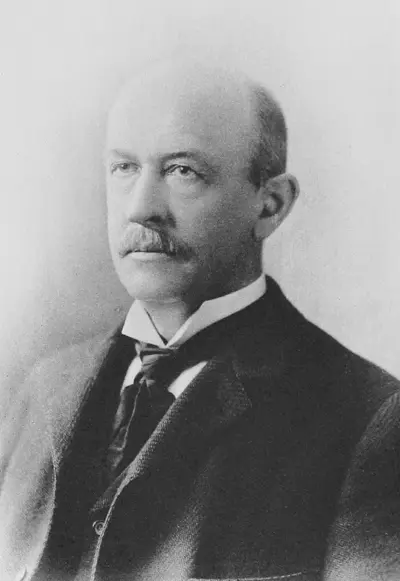
William Graham Sumner was a classical liberal American social scientist. He taught social sciences at Yale, where he held the nation's first professorship in sociology. He was one of the most influential teachers at Yale or any other major school. Sumner wrote widely within the social sciences, with numerous books and essays on American history, economic history, political theory, sociology, and anthropology. He supported laissez-faire economics, free markets, and the gold standard. He adopted the term "ethnocentrism" to identify the roots of imperialism, which he strongly opposed, and as a spokesman against it he was in favor of the "forgotten man" of the middle class, a term he coined. He had a long-term influence on conservatism in the United States.
