Leonardo da Vinci Quotes
The fox when it sees a flock of herons or magpies or birds of that kind, suddenly flings himself on the ground with his mouth open to look as he were dead; and these birds want to peck at his tongue, and he bites off their heads.
da Vinci, Leonardo. The Notebooks of Leonardo da Vinci. Translated by Jean Paul Richter, vol. 2, Sampson Low, Marston, Searle & Rivington, 1883, p. 321.


This is an excellent example of the kind of rhetoric that was used against the Japanese immigrants to America in the 1930s. There was a rumor that the Japanese laborer, in addition to working for less wages what white labor were getting, was a spy for the Japanese Emperor, It was this kind of prejudice and conspiracy theory that led the government to intern Japanese—even citizens on the West Coast—an act that was ignominiously upheld but he Supreme Court and latter apologized for by several American presidents. It turned out that there was not a single Japanese immigrant who engaged in any kind of spying or sabotage in WWII and many fought in the Armed forces and were amongst the most decorated soldiers. One irony of the West Cast internment is that Japanese immigrants and American citizens living on the East cost were no so interned. The fear of invasion was not as great and the history of anti Japanese prejudice as in this quotation was not as prevalent. There are some historians who argue that one of the major motivations of to intern the Japanese was for some wealthy whites to be able to get their land—especially farmland—which since they could not work, they could not pay the taxes and a huge amount of prime land changed hands as a result of the internment.


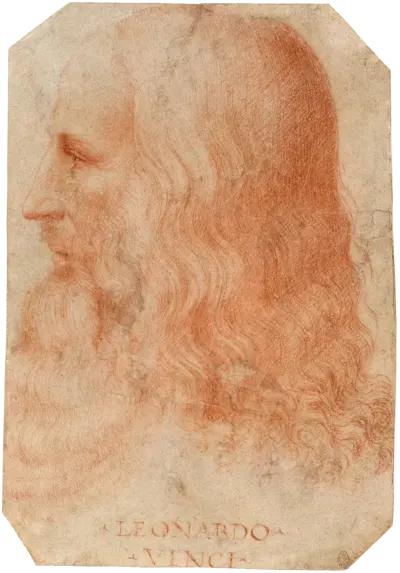
Leonardo da Vinci was an Italian polymath of the High Renaissance who was active as a painter, draughtsman, theorist, engineer, scientist, sculptor and architect. While his fame initially rested on his achievements as a painter, he also became known for his notebooks, in which he made drawings and notes on a variety of subjects, including anatomy, astronomy, botany, cartography, painting, and paleontology. Leonardo's genius epitomized the Renaissance humanist ideal, and his collective works compose a contribution to later generations of artists rivaled only by that of his younger contemporary and fellow founder of the High Renaissance, Michelangelo.
