Ludwig von Mises Quotes
[T]he essence of so-called war prosperity: it enriches some by what it takes from others. It is not rising wealth but a shifting of wealth and income.
von Mises, Ludwig. Nation, State, and Economy. New York University Press, 1983.


For almost a century this is an attack that conservative Republicans had made on Democrats. Yet the two greatest period of poverty, the Great Depression and the Great Recession occurred in Republican Administrations and recovery began under Democratic Presidents. The two great targets accused of wanting to spread the wealth around were Presidents Clinton and Obama In each case, the country was more affluent after 4 years of spreading the wealth, there were more jobs and average incomes were up—well better than when they took office from Republicans. There are two great theories of how wealth and prosperity is created. Conservatives argue that government should give money (or reduce tax burdens) and resources to the wealthy and they will invest it to create jobs and everyone will prosper. Liberals argue that the government should invest (spend money) in programs that strengthen the middle class and give them money or (reduce their tax burdens) and consumer spending which accounts for 70 percent of the economy will increase and the rich owners of the corporations will also make more money. Clearly both of these approaches seem to have worked at different times in American history; however, both of them have been failures at other times. (The George W. Bush and Jimmy Carter Administrations for example.) However, that is the political economic issue which must be decided by each American generation.


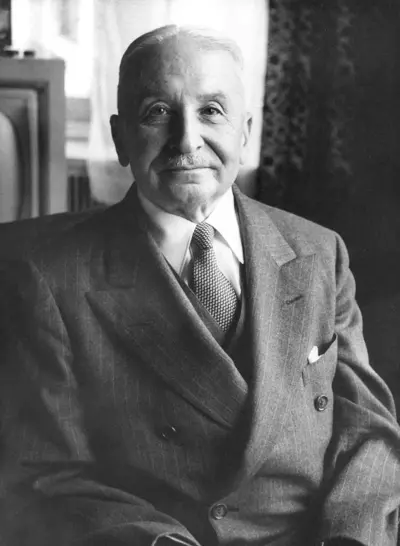
Ludwig Heinrich Edler von Mises was an Austrian School economist, historian, logician and sociologist. Mises wrote and lectured extensively on the societal contributions of classical liberalism. He is best known for his work on praxeology, a study of human choice and action.
