Walt Whitman Quotes
The eager and often inconsiderate appeals of reformers and revolutionists are indispensable to counterbalance the inertia and fossilism marking so large a part of human institutions.
Whitman, Walt. Democratic Vistas. J. S. Redfield, 1871, p. 25.


This is not only attributed by reliable sources but apparently Roosevelt had said this on several occasions. The word “radical” has had different shades of meaning at different periods of American History. The origin of the word from the Latin means someone who wishes to change things very rapidly and not gradually. In the time of the Civil War, the majority of the Republicans proudly referred to themselves as “radicals” or “radical Republicans” because they wanted to abolish slavery immediately. In the late 19th century the word “radical” referred to anarchists. From the Russian Revolution onward “radicals” were communists who presumably wanted to change governments throughout the work through revolution—very rapid change. However, in the early 20th century, radicals were people who wanted to reform and regulate businesses and monopolies rapidly and it is this sense he was a radical. But by style, he was a radical in most things in that he wanted to change things and change them rapidly.


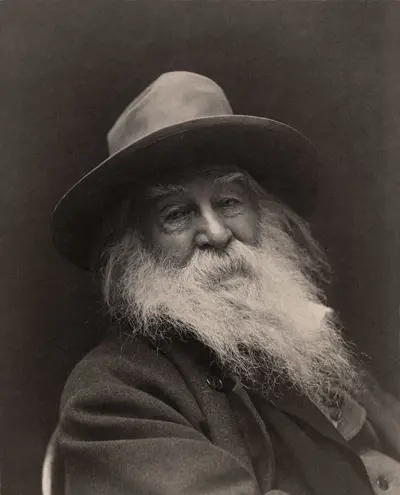
Walter Whitman was an American poet, essayist, and journalist. A humanist, he was a part of the transition between transcendentalism and realism, incorporating both views in his works. Whitman is among the most influential poets in the American canon, often called the father of free verse. His work was controversial in its time, particularly his poetry collection Leaves of Grass, which was described as obscene for its overt sensuality. Whitman's own life came under scrutiny for his presumed homosexuality.
