Alex Stamos Quotes
The definition of hate speech in some countries is problematic.
Stamos, Alex. Panel Discussion. SXSW Interactive, South by Southwest, 12 Mar. 2018.


In September of 2005 a Danish Newspaper published some political cartoons showing the hypocrisy of some Muslims who use Islam to justify murder of innocents and terrorism. Months later, in January of 2006 many in the Middle East protested vehemently and Muslim riots broke out because the Prophet Muhammad's visage was depicted against Islamic tradition. Many Muslim nations started a boycott against Denmark. Many Muslim leaders claimed that insulting religion was an “abuse” of freedom of speech including those from nations which regularly publish material that is virulent against Christians and Jews. Islamic country newspapers however, when it comes to what is perceived as material insulting to Islam, as typified by this editorial, feel that their religion should never be insulted despite the fact that Saudi Arabian media constantly insult Christianity and Judaism. Their justification of this gross double standard is that Islam is the “true” religion.


She was commenting on a suggestion that a Twitter User had made that any individual who felt he/she was being harassed by insulting Twitter messages, could have Twitter delete the offending content. Some of the Twitter campaigns against an individual has been gross, indecent, cruel and for the most part untrue. Hence the request. The person who perceived that he/she was being harassed was free to bring a lawsuit against the sender for defamation if the material is untrue and the person is not a Public Figure. The latter have no general right of redress in the courts.

The 1st Amendment is almost absolute in its protection of speech. However, ironically the Untied States has much less internecine conflict with minorities better off than the nations where hate speech is illegal and criminal.


Part of the right to freedom of speech is the right to criticize, disparage or insult. However, there are some people in the world who do not believe in freedom of speech or expression and not only believe that certain types of expression are blasphemous and sinful, but some believe that it is their religious duty to kill the blasphemer. In this case a film was made that was not only intellectually an attack on Islam but it was done in such a manner that most orthodox Muslims were insulted and offended that their Prophet and religion were both insulted in a blasphemous manner. It was a film that was very much in poor taste, insensitive and gross. In the Islamic world, some extremists use incidents that they call blasphemy to whip up large crowds who riot, destroy and in many cases kill innocent people who have nothing to do with the alleged blasphemy except that their employer might be a company in the same nation as the blasphemer. These fanatics also hold governments responsible for blasphemy if they do not violate their own laws and constitutions and interfere with their citizens right to freedom of speech and expression. For people like Bollinger, this raises a terribly difficult situation and as he points out in this quotations free speech can have serous repercussions almost anywhere in the world. Others observe that every time we even discuss the potential repercussions, the enemies of freedom of expression win, and have a chilling effect on the rest of the world. They urge ignoring the consequences and avoid rewarding the enemies of freedom by giving them an influence on our freedoms and practices.


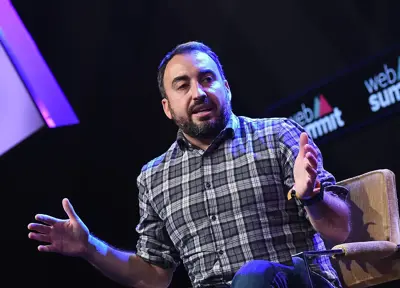
Alex Stamos is a Greek American computer scientist and adjunct professor at Stanford University's Center for International Security and Cooperation. He is the former chief security officer (CSO) at Facebook. His planned departure from the company, following disagreement with other executives about how to address the Russian government's use of its platform to spread disinformation during the 2016 U.S. presidential election, was reported in March 2018.
