B. H. Liddell Hart Quotes
The chief incalculable in war is the human will.


The phrase was picked up by the press, and then became the title to a patriotic song of World War II.


The general was expressing a principle that is believed to this day by many policy makers, military people and civilians: Once a war has begun, one must not stop it until victory has been attained. It is unacceptable to negotiate an end to hostilities unless the enemy has been badly beaten on the battlefield. There is this view that “honor” would be lost and that enemies and even allies will not respect you and think the nation is weak and fearful. So there would always be extensive pressure to keep on fighting and not negotiate until there is a military dominant position.


Mad Anthony Wayne. The quotation may be apocryphal, as solid, multiple confirmation has never been found.


An example of this was the landing in the beaches of Normandy in WWII. Once on the beaches the allied troops had to win or die. Some of the most heroic fighting in American and English military history occurred on those beaches. Another was the Spanish Explorer Hernando Cortez who after landing in the New World, had his ships burned so that he and his soldiers had to conquer or they would die.


Trumbo was morally opposed to war. He also refused to name Hollywood communists to Congressional Committees during the Red Scare. He was then blacklisted from his occupation, screen writing.


This was the exact political logical scenario that German socialist Bebel had predicted a few years earlier--{642075}. “Hectacomb” was an ancient Greek term referring to the public sacrifice of the blood of 100 oxen. It developed a more generalized meaning referring to making a very large human sacrifice of life for a national purpose.
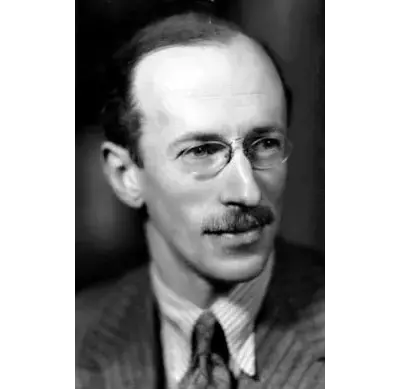
Sir Basil Henry Liddell Hart, commonly known throughout most of his career as Captain B. H. Liddell Hart, was a British soldier, military historian and military theorist. He wrote a series of military histories that proved influential among strategists. He argued that frontal assault was a strategy that was bound to fail at great cost in lives, as happened in the First World War. He instead recommended the "indirect approach" and reliance on fast-moving armoured formations.
