Conrad Burns Quotes
The chairman thought it was violent. If he had come from Montana, he wouldn't think it was so violent.
A Senate committee was viewing television programs to determine whether the level of violence was appropriate. The committee chairman felt a particular program was too violent.
Conrad Burns, U. S. Senator (Republican, MT), Remark, December 27, 1993
Sourced by: Eigen's Political and Historical Quotations


Prior to Germany Declaring War on the United States, there was a small but influential group of American Fascists who were great admirers of Hitler and Mussolini and the “reforms” they had made in Germany and Italy. They saw Germany’s invasion of other European nations as a good think to “reform” Europe. The opposed American support of England and U. S. entry into the war. Their influence waned after Pearl Harbor and Germany declaring war on the U. S. Many of them arose again after WWII ended but they no longer expressed admiration for Hitler and Mussolini—concentrating at that time on anti-communisim. This caused some difficulties for the majority of anti communists who were also anti fascists.

Even as late as the 1970s most media organizations did not feel any inhibition about having a spokesperson for a political movement or candidate comment about statements that were clearly untrue. The constant political criticism of the media produced this change and no matter how absurd or false a political statement is, most media will have a spokesperson for the lie appear on the program to repeat the lie. Both political parties are thereby encouraged to exaggerate or even lie as they will never by exposed by trusted journalists and can reduce all falsehoods to a “he says, she says.”


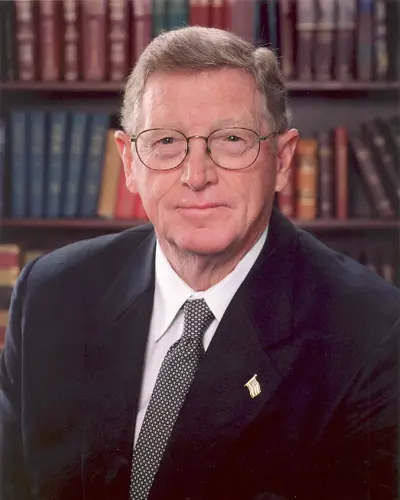
Conrad Ray Burns was an American politician who served as a United States Senator from Montana and later was a lobbyist. He was only the second Republican to represent Montana in the Senate since the passage in 1913 of the Seventeenth Amendment to the United States Constitution and was the longest-serving Republican senator in Montana history.
