William F. Buckley Jr. Quotes
Support the most conservative candidate who is electable
Since the early 20th century, conservatives have nominated candidates who were ideologically pure but so extreme that they offended too much of the electorate to get elected. Buckley advocated weeding these candidates out, His principle became very material in the early 21st century when the conservative fundamentalist Tea Party unseated strong conservative incumbents in primary elections in favor over more extreme conservative candidates who could not win general elections.
William F. Buckley Jr., Political Columnist and Author, Conservative party candidate for New York Governor, Quoted on PBS News Hour, February 8, 2013
Sourced by: Eigen's Political and Historical Quotations


The Tea Party, having had little success at the polls, tended to pick one element of government with most members and friends bashing that element blindly, like the blind-folded children at a Piñata Party. In this case it was the Export Import Bank that enabled over 250,000 jobs last year. The Tea Party which is always complaining about government spending, surprised most observers when they attacked the Export-Import Bank. It is one of the very few government agencies that costs the taxpayer nothing. As a matter of fact, it actually produces a profit for the taxpayer and reduces the deficit. See {640781}.


The Kochs are the very conservative funders, philanthropists, & activists David and Charles Koch. By this definition Abraham Lincoln was certainly a socialist but so were Dwight D. Eisenhower and Ronald Reagan.

The Evangelicals and other social conservatives had much more influence over the Republican candidate since without the social conservatives voting in large numbers for the Republican Presidential candidate, at the time, it would be hard to win the general election, but Democrats had won without them. However, at the time, the social conservatives had a virtual veto over the Republican candidate selection.


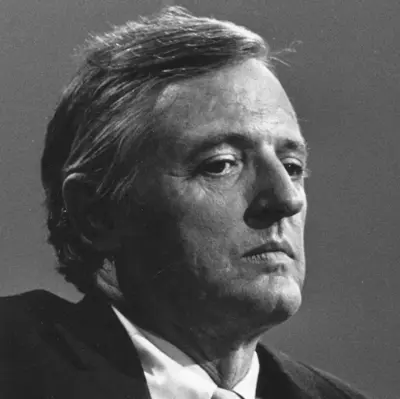
William Frank Buckley Jr. was an American public intellectual and conservative author and commentator. In 1955, Buckley founded National Review, a magazine that stimulated the conservative movement in the late-20th century United States. Buckley hosted 1,429 episodes of the public affairs television show Firing Line (1966–1999), the longest-running public affairs show in American television history with a single host, where he became known for his distinctive Mid-Atlantic idiolect and wide vocabulary.
