Arnold J. Toynbee Quotes
So-called racial characteristics are not really racial at all but are due to the historical experiences of the communities in question.
Arnold J. Toynbee, 1899-1975, British Historian, A Study of History
Sourced by: Eigen's Political and Historical Quotations


At the time Thomas was the Chairman of the Equal Employment Opportunity Commission. In an informal discussion among some of the staff, a white employee was describing the difficulty he had encountered trying to get a bank loan. This quotation illustrates that Thomas has had an antipathy to affirmative action and racial programming or preferences well before he was appointed to the Appellate and later the Supreme Court.

The chief clerk was only complying with the NYC laws which were preoccupied with identifying racial intermarriage which was not common and frowned upon even in liberal New York City. However, the clerk had wanted to get rid of the questions and used this case and a few months later New York City no longer asked for color on their marriage license. No one could find a legal definition or a scientific definition of color or race that could guide a citizen who did not know.


After the WWI Turkish massacre of Armenians and the casualties of WWII, large numbers of Armenians were outside of Armenia which was a part of the Soviet Union and many ethnic Russians were moved into Armenia thus dominating the country. The ethnic Armenians found themselves a minority in their own homeland,

Later, Italy was totally subservient to Germany later and Mussolini accepted German racist policies. Actually, there is only one human race and all members of it have the same original common ancestor, and African female.


Most immigration reformers want to open immigration more widely. Ward wanted immigration restricted to certain ethnicities and limited. He wanted a uniformity of assimilation and not diversity.


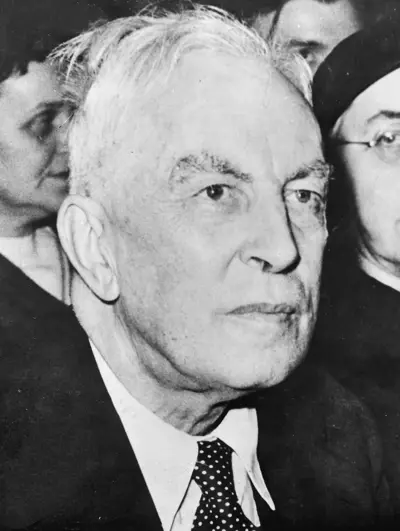
Arnold Joseph Toynbee CH FBA was a British historian, a philosopher of history, an author of numerous books and a research professor of international history at the London School of Economics and King's College London. From 1918 to 1950, Toynbee was considered a leading specialist on international affairs.
