Lieuwe van Aitzema Quotes
Secrecy was the pretext by which the most important issues were settled by the prince and a few of his confidants.
At the time Holland was a republic and a confederation of different states. There was an assembly of delegations from each of the States but most important decisions tended to be made by the Prince and a few of the representatives in his sway. See {620056} for a contemporary justification. This battle goes on in almost every country including the United States where there are many matters in which only a few members of Congress and the President make decisions with national security given as the reason. In many cases there has been such a reason, but it is very easily corrupted into a pretext as only the people on the inside who get to make the decision know what the secret material was.
Lieuwe van Aitzema, 1600-1669, Dutch historian, diplomat, and spy, Quoted in Pieter Geyl, Orange Stuart: 1641-1572
Sourced by: Eigen's Political and Historical Quotations

At the time Holland was a republic and a confederation of different states. There was an assembly of delegations from each of the States but most important decisions tended to be made by the Prince and a few of the representatives in his sway. Mathenesse was the delegate of the largest and wealthiest state but even others in his state delegation were out of the loop. Others claimed that the necessity of secrecy was just a pretext for a small group to dominate the republic. See {620069}. This battle goes on in almost every country including the United States where there are many matters in which only a few members of Congress and the President make decisions with national security given as the reason. In many cases there has been such a reason, but it is very easily corrupted into a pretext as only the people on the inside who get to make the decision know what the secret material was.

The Secretary of State had obtained an agreement of Israel and the Palestinians to open Peace Talks. The press immediately wanted to know who was saying what to whom and what positions the parties had. However, this was a classic example where transparency would make successful negotiations impossible—it would end the negotiations before the parties could even discuss possible alternatives.


This was a major extension of the Executive Privilege power from the President himself to the staff of the President as well.


In the early 1950’s Costello’s Health Minister Noel Browne introduced proposal to provide health care for mothers and children. The Irish Catholic Bishops objected and in the face of their opposition the remainder of the cabinet abandoned the plan. When the public found out, it became a cause celebre. Browne resigned, and the Protestants of Northern Ireland argued that this was an example of Catholic religious control of the Southern Irish government. The President was distressed that the public had ever found out.


CREEP in the Nixon Campaign

1st Earl Lloyd-George of Dwyfor
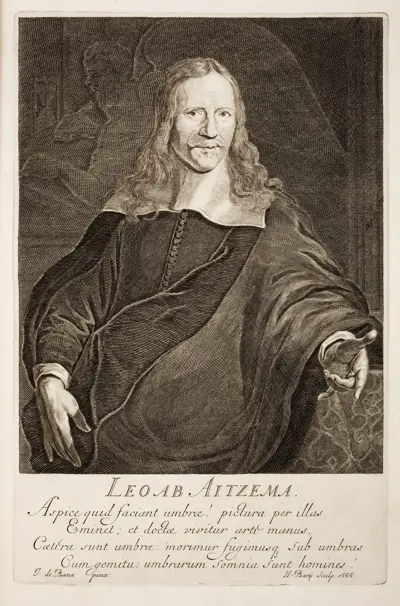
- Born: November 19, 1600
- Died: February 23, 1669
- Nationality:
- Profession:
