J. M. Coetzee Quotes
Scapegoating worked in practice while it still had religious powers behind it. You loaded the sins of the city on to the goat’s back and drove it out, and the city was cleansed. It worked because everyone knew how to read the ritual, including the gods. Then the gods died, and all of a sudden you had to cleanse the city without divine help. Real actions were demanded instead of symbolism The censor was born, in the Roman sense. Watchfulness became the watchword: the watchfulness of all over all. Purgation was replaced by the purge.
Coetzee, J. M. Disgrace. Secker & Warburg, 1999, p. 91.


Sapho, a play, opened in New York taking sexual explicitness to a new level. The hero, leaves the stage carrying the famous actress, Olga Nethersole, upstairs to an unseen bedroom presumably for sex. There was no explicit sex but the “immorality” lay in the fact that a woman was portrayed as a sexual being at a time when most “expert thinking” held that women were devoid of sexual pleasure. The New York City vice squad, responding to the many complaints, closed the show, causing national controversy which exploded further when the courts ruled that sexual innuendo was insufficient to censor the show and it re-opened.

Ivan the Terrible. He was referring to himself as God’s Chosen One. He and the Church were aligned against the Nobles, whose lands Ivan wanted. He would execute hundreds of “traitors” every month. He even executed the families of his enemies in very cruel ways. He claimed to be “cleansing” the land of sinners in preparation for the coming judgment day, and the church backed him up on this. The Church gave him carte blanche to “punish” all sinners and his paranoia eventually got around to the church fathers themselves who became the final victims.


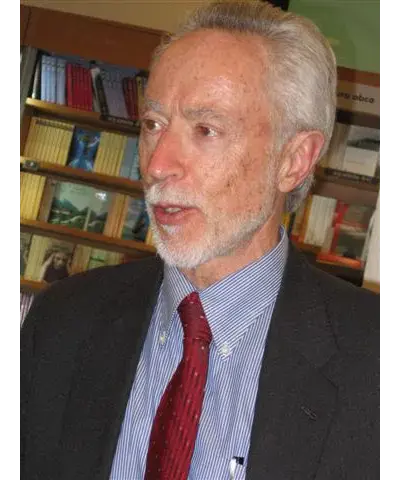
John Maxwell Coetzee is a South African-born novelist, essayist, linguist, translator and recipient of the 2003 Nobel Prize in Literature. He is one of the most critically acclaimed and decorated authors in the English language. He has won the Booker Prize (twice), the CNA Prize (thrice), the Jerusalem Prize, the Prix Femina étranger, and The Irish Times International Fiction Prize, and holds a number of other awards and honorary doctorates.
