Friedrich Schiller Quotes
Rigor pushed too far is sure to miss its aim, however good, as the bow snaps that is bent too stiffly.
Schiller, Friedrich. William Tell. Translated by Theodore Martin, H. G. Bohn, 1846, Act II, sc. 2.


If there is no rule of law, the executive, king or strongman, may handle any case in any way he wants. He can convict a poor man but let a powerful friend off. However, with the rule of law, it is the facts of the case that control, and not the identity of the law breaker. Hence the ancient Romans were somewhat suspicious of the rule of law in that it could tie the hands of the executive or magistrate and limit his discretion. To a certain extent, even modern America does not follow a completely rule of law system. The “out” is prosecutorial discretion. The prosecutors can charge one party and not bother to do so with others. An example was in 2010 when there were many bank foreclosures on home mortgages, the major banks of America were commonly committing fraud and perjury by executing legal documents allowing the forclosure, claiming that the had required documents and had done required procedure when the officers who signed the official documents had no idea what they had and just lied. The Banks had large lobbying resources, and despite the fact that felonies were committed by the tens of thousands, none of the felons was ever charged with a crime, for if they were, they were clearly guilty and there would be severe consequences. The banks promised never to do it again, and got off with none of the many guilty people ever convicted.


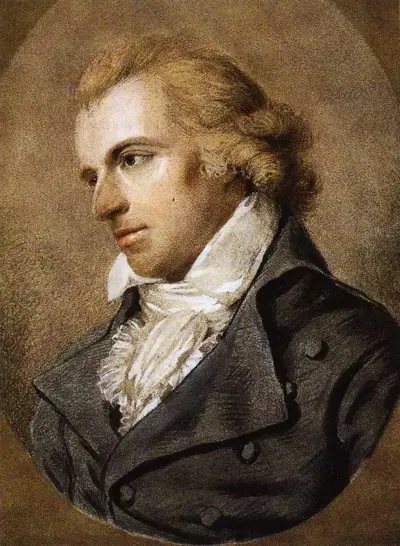
Johann Christoph Friedrich (von) Schiller was a German poet, philosopher, physician, historian, and playwright. During the last seventeen years of his life (1788–1805), Schiller developed a productive, if complicated, friendship with the already famous and influential Johann Wolfgang von Goethe. They frequently discussed issues concerning aesthetics, and Schiller encouraged Goethe to finish works he left as sketches. This relationship and these discussions led to a period now referred to as Weimar Classicism. They also worked together on Xenien, a collection of short satirical poems in which both Schiller and Goethe challenge opponents of their philosophical vision.
