David Hume Quotes
Reason, in a strict sense, as meaning the judgment of truth and falsehood, can never, of itself, be any motive to the will, and can have no influence but so far as it touches some passion or affection. Abstract relations of ideas are the object of curiosity, not of volition. And matters of fact, where they are neither good nor evil, where they neither excite desire nor aversion, are totally indifferent, and whether known or unknown, whether mistaken or rightly apprehended, cannot be regarded as any motive to action.
Hume, David. A Dissertation on the Passions; The Natural History of Religion, edited by Tom L. Beauchamp, Clarendon Press, 2007, p. 17.


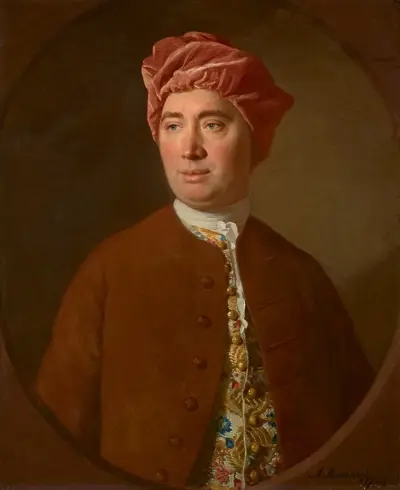
David Hume, Hume strove to create a naturalistic science of man that examined the psychological basis of human nature. Hume argued against the existence of innate ideas, positing that all human knowledge derives solely from experience. This places him with Francis Bacon, Thomas Hobbes, John Locke, and George Berkeley as a British Empiricist.
