Robert Graves Quotes
Philosophy is antipoetic. Philosophize about mankind and you brush aside individual uniqueness, which a poet cannot do without self-damage. Unless, for a start, he has a strong personal rhythm to vary his metrics, he is nothing. Poets mistrust philosophy. They know that once the heads are counted, each owner of a head loses his personal identify and becomes a number in some government scheme: if not as a slave or serf, at least as a party to the device of majority voting, which smothers personal views.
Graves, Robert. The Crowning Privilege: The Clark Lectures, 1954-1955. Cassell, 1955.


Eastman had broken with the Communist Party line and attacked Russian communism for its suppression of cultural freedom and insisting on making the artist a “soldier” in the struggle of world communism, This book supported dissident communist Leon Trotsky—considered an act of treason. Eastman and others were officially castigated. See {604277}.


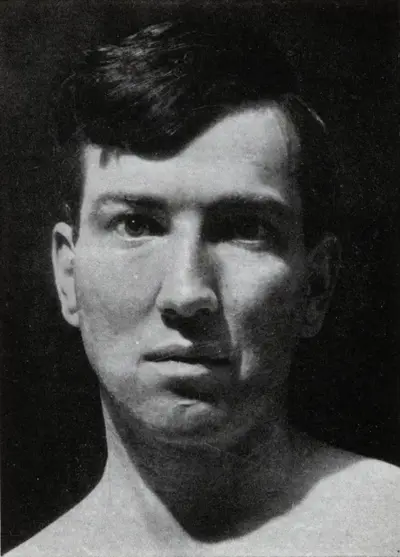
Robert von Ranke Graves was a British poet, historical novelist, critic, and classicist. His father was Alfred Perceval Graves, a celebrated Irish poet and figure in the Gaelic revival; they were both Celticists and students of Irish mythology. Graves produced more than 140 works in his lifetime. His poems, his translations and innovative analysis of the Greek myths, his memoir of his early life—including his role in World War I—Good-Bye to All That, and his speculative study of poetic inspiration, The White Goddess, have never been out of print.
