Tim Kaine Quotes
People shouldn't be afraid to bring up issues of bias in law enforcement.
Kaine, Tim. "Vice Presidential Debate." Commission on Presidential Debates, Longwood University, 4 Oct. 2016.


The Congressman was a rabid foe of immigration in general and possible illegal immigration in particular (See {614687}). As his colleagues were trying to improve the methods of identifying illegal workers at the job hiring stage, they were very concerned that law enforcment and some employers would make judgments about the likely criminal status of a person based on his/her ethnicity, race or other general superficial characteristics.


The judge found that Blacks and Hispanics were stopped and frisked at a much higher rate than whites despite the fact that whites, when they were stopped and searched had a higher rate of carrying an illegal gun or illegal substances.

The police knew she was a leftist but most didn’t really understand what that meant. In those days, police were not very well educated and many had no more than a few grades of elementary school. They were assigned to keep order at her public speeches (where there were sometimes protestors threatening violence), but the police would often erroneously assume that something she would say was illegal—freedom of speech was not what it is today. She was quite used to the harassment. Most police at the beginning of the 21st century are still generally undereducated with only a small minority being college graduates.

He was referring to a case where an unarmed criminal suspect was being arrested by 5 police officers who choked him to death in what the coroner ruled was a homicide. Some police union spokesmen justified the homicide on the grounds that the victim had resisted arrest (in great question from viewing the video tapes). “Had he not, he would not be dead”. The spokesman ignored the fact that the choke hold that the police used was prohibited by the Police Department Manual and Rules as well as imprudent and unnecessary in that case. Surely 5 trained policemen can physically control 1 unarmed man without choking him Sharpton observed, and with this pithy quote, put the tragedy into perspective as a violation of civil rights.

Instead of standing and saluting as professional athletes have done for decades before games, he kneeled and refused to stand. This caused great public criticism but also some initial support. He was potentially risking his multimillion dollar salary as this technically violated his contract to avoid anything embarrassing to the team. He also donated $1 million to programs in the area that were working to enhance Black/white understanding. Even those who disagreed with his choice of protest defended his right to do so, and after the initial furor, public opinion, while not in agreement about his method, tended to support him for having the courage of his convictions and using his celebrity for a worthy cause. After sensing the public opinion, his team matches his $1 donation. Professional athletes both in the NFL and in other sports then began to do the same as a form of protest for the large, disproportionate, number of black men who were killed, mostly when unarmed, by police. The reference to the “paid leave” was the practice followed by most police departments—usually required by collective bargaining agreements with police unions—of placing police officers accused of committing violations of laws or regulations on paid administrative leave while all the investigations, hearings, and other processes . While this practice protected the rights of those police officers who were not guilty, it ended up paying brutal murders for a some time entire their case was decided or acted upon be the district attorney.


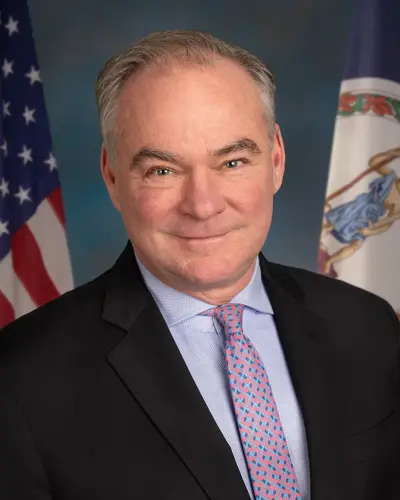
Timothy Michael Kaine is an American lawyer and politician serving as the junior United States senator from Virginia since 2013. A member of the Democratic Party, he served as the 38th lieutenant governor of Virginia from 2002 to 2006 and 70th governor of Virginia from 2006 to 2010. Kaine was the Democratic nominee for vice president of the United States in the 2016 election as Hillary Clinton's running mate.
