Timothy D. Snyder Quotes
People in the West tend to identify with western victims. So even when they think about the Holocaust, they really think about the German or French victims; they're not thinking about the Polish, Hungarian, or Soviet victims.
Snyder, Timothy. Bloodlands: Europe Between Hitler and Stalin. Basic Books, 2010.


He was a viscious anti-Semite who attracted to his party extreme right wingers, Nazi Sympathers and apologists for the Vichey Franch government. The party was rejected by the majority of French voters, but when his daughter took over the party, she was not an anti Semite but foudn it hard to shake the party's image which was alaysa associated with her name even when she actually kicked her father out of the party.


His belief and that of a great number of peop[le who have studied the era was that the refusal of most countries, including the United States, to accept Jewish Refugees casueing so many to remain in Europe where they were murdered by the Nazis would have been mitgated if there were a nation that would welcome them/ While that was true certainly for the early years of the Nazi persecution, the largest number of Jews were killed when the Germans overran Poland, France, Hungary, and many other countries including Eastern Europe and Russia. But there are other scholars who believe that the Nazi hatred and feal fo Jews was so great that they would not have allowed the Jews to be gone. While namy Jews woulld have been saved were Israel in existance, there would still have been a Holocaust, only one of smaller proportions they argue.

Auschwitz was the worst of the German Nazi WWII Death Camps where over 2 million people were murdered.
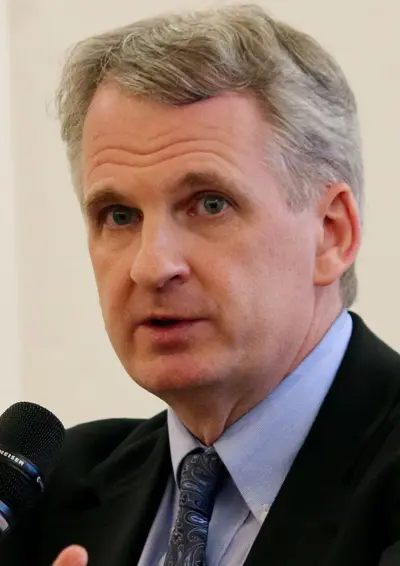
Timothy David Snyder is an American author and historian specializing in the history of Central and Eastern Europe and the Holocaust. He is the Richard C. Levin Professor of History at Yale University and a Permanent Fellow at the Institute for Human Sciences in Vienna. He has written several books, including the best-sellers Bloodlands: Europe Between Hitler and Stalin and On Tyranny: Twenty Lessons from the Twentieth Century.
