Murray Rothbard Quotes
Out of the bitter experiences of the panic of 1819 emerged the beginnings of the Jacksonian movement, dedicated to hard money, the eradication of fractional reserve banking in general, and of the Bank of the United States in particular.
Rothbard, Murray N. A History of Money and Banking in the United States: The Colonial Era to World War II. Ludwig von Mises Institute, 2002.


He was against paper money. At the time, any bank could issue its own paper money or “banknotes”. However other banks would not redeem the banknotes for the full amount; they would “discount” the note. Usually, the further away the bank was from the original bank, the more discount they took. Interstate commerce was almost impossible. Alexander Hamilton, Jefferson’s nemesis, had a much more modern point of view and fortunately his view prevailed. Paper money could only work if it was issued by a central bank with no discounting by other banks. The paper money had to be “legal tender”.

This is an oft quoted statement because of the Great Depression which occurred the following year after Strong had passed away. The Federal Reserve followed the lead of President Hoover and did nothing while they watched the nation’s money supply shrink a third over the next 3 years, making a business comeback very difficult. If Strong had lived longer, he might have persuaded the others to increase the money supply and act as the nation’s safety valve. As the President of the New York Bank, he was the first among equals.

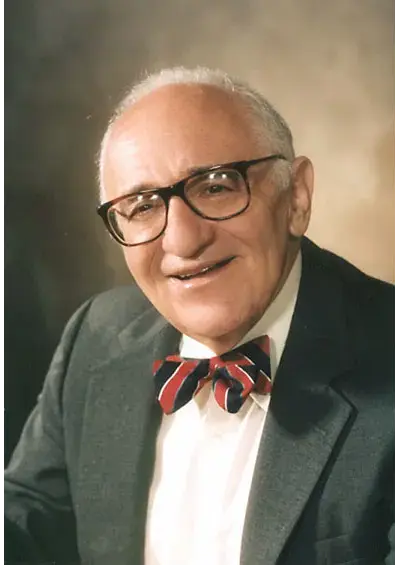
Murray Newton Rothbard was an American heterodox economist of the Austrian School, economic historian and political theorist. Rothbard was the founder and leading theoretician of anarcho-capitalism, a staunch advocate of historical revisionism and a central figure in the 20th-century American libertarian movement. He wrote over twenty books on political theory, revisionist history, economics, and other subjects.
