Hugo Chavez Quotes
Our voice is an independent voice to represent the dignity and the search for peace and the reformulation of the international system; to denounce persecution and aggression of hegemonistic forces on the planet. This is how Venezuela has presented itself. Bolivar's home has sought a nonpermanent seat on the Security Council.
Chávez, Hugo. "Address to the United Nations General Assembly." United Nations, 20 Sep. 2006, New York.


Actually it was the United States which insisted in the veto which required consensus of the great powers of the time. It was Russia which ended up using it far more often than any other nation.


The Congressman was being critical of the George W. Bush Administration and their tendency to decide which leaders and countries were legitimate and moral and which were not, and then invading the “bad” and executing the leaders as with Iraq and Saddam Hussein.

The United States position was that United Nations approval is not required when it is acting to defend itself as the United Nations Charter gives every nation the unilateral right of self defense. America justified the action on the ground that the Iraqis were in violation of the UN resolution regarding weapons of mass destruction and if Iraq had or was developing such weapons, the United States would be a likely target and the Iraq leadership had already called for death and destruction to America so their intention was clear. No such weapons were found.


See Benedict Spinosa for an earlier absense or war view. Also, JFK more recently.


With Germany’s WWII history of military aggression, even over 60 years later, that country was very cautious about any use of military force and unilateral force was out of the question.


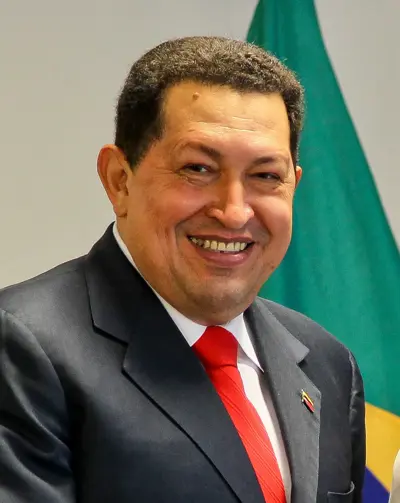
Hugo Rafael Chávez Frías was a Venezuelan politician who was president of Venezuela from 1999 until his death in 2013, except for a brief period in April 2002. Chávez was also leader of the Fifth Republic Movement political party from its foundation in 1997 until 2007, when it merged with several other parties to form the United Socialist Party of Venezuela (PSUV), which he led until 2012.
