James Monroe Quotes
Our relations with the other powers of Europe have experienced no essential change since the last session.
Monroe, James. "Eighth Annual Message." A Compilation of the Messages and Papers of the Presidents, compiled by James D. Richardson, vol. 2, Bureau of National Literature, 1897, p. 252.


Terrorism even then put strains on traditional diplomacy where bombers would take sanctuary or raise money in countries whose diplomatic policy was opposed to terrorism of all types. At this particular time, Irish terrorists would raise money in the United States to support the terrorists bombing English targets.

Kissinger had observed in his unpopular view that he was saying exactly what the George W. Bush administration had officially said on several occasions. This response is quoted by those who use it as an example of how low the reputation of the George W. Bush administration had sank with America’s foreign allies. Kissinger was seen as a much more important and influential factor despite the fact that he had been out of office for over two decades. At the time, many American allies had given up on Bush and because he was so unpopular with Americans as well as foreigners, they assumed that his statements would not represent American policy or opinion as soon as Bush’s term was over. The new President of whichever party would, it was assumed, repudiate most of the Bush actions and try and rebuild America’s shattered reputation. In that scenario, Kissinger’s views would not only be more representative of American positions than that of Bush and his diplomatic representatives.


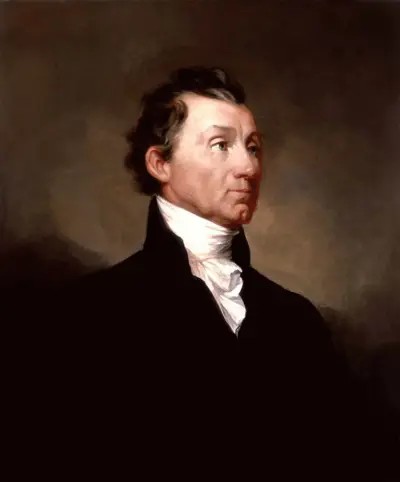
James Monroe was an American statesman, lawyer, diplomat and Founding Father who served as the fifth president of the United States from 1817 to 1825. A member of the Democratic-Republican Party, Monroe was the last president of the Virginia dynasty; his presidency coincided with the Era of Good Feelings. He is perhaps best known for issuing the Monroe Doctrine, a policy of opposing European colonialism in the Americas. He also served as the governor of Virginia, a member of the United States Senate, the U.S. ambassador to France and Britain, the seventh Secretary of State, and the eighth Secretary of War.
