Ernie Pyle Quotes
Our artillery... The Germans feared it almost more than anything we had.
Pyle, Ernie. Brave Men. Henry Holt and Company, 1944.


Washington and Green won very few battles as the strategy was, like many revolutionary movements, simply to avoid losing and being wiped out—the strategy that finally won the war.

Cunningham was part of an American Diplomatic Delegation negotiating with the Vietnamese. He had been an Naval Ace Fighter Pilot during the Vietnam War. He was notorious for his lack of tact.

He allowed one of his statements to appear on the Democratic Party radio response to the President’s weekly broadcast.

In the Iraq and Afghanistan Wars, private contractors wlere hired to provide many services in the war zone including intelligence, security and guard service. In carrying out their responsibilities, some private contractor employees killed and/or tortured suspects or innocent bystandarders against the laws of the United States. If American soldiers had committed these crimes, they would be court marshalled. However, the Code of Military Regulations and other laws applied only to armed forces personnel.


Nearly two years after Tripoli had declared war against the United States, the U.S., after much deliberation, decided to stop negotiating a tribute settlement with Tripoli. The U.S. launched their attack on June 11, 1803 in what would be the first amphibious operation on the Barbary Coast. After witnessing the operation, the Pasha was unmoved. Piracy and war was a way of life for the Barbary states.
Commenting on the hostility which greeted some returning Vietnam veterans:


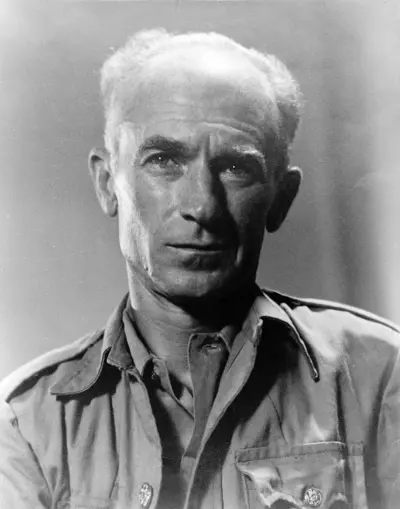
Ernest Taylor Pyle was a Pulitzer Prize—winning American journalist and war correspondent who is best known for his stories about ordinary American soldiers during World War II. Pyle is also notable for the columns he wrote as a roving human-interest reporter from 1935 through 1941 for the Scripps-Howard newspaper syndicate that earned him wide acclaim for his simple accounts of ordinary people across North America. When the United States entered World War II, he lent the same distinctive, folksy style of his human-interest stories to his wartime reports from the European theater (1942–44) and Pacific theater (1945). Pyle won the Pulitzer Prize in 1944 for his newspaper accounts of "dogface" infantry soldiers from a first-person perspective. He was killed by enemy fire on Iejima (then known as Ie Shima) during the Battle of Okinawa.
