Ray Stannard Baker Quotes
One of the points in which I was especially interested was the Jim Crow regulations, that is, the system of separation of the races in street cars and railroad trains.
Baker, Ray Stannard. Following the Color Line: An Account of Negro Citizenship in the American Democracy. Doubleday, Page & Company, 1908, p. 29.


Berea College in Kentucky was founded as an interracial college. This law made it illegal in Kentucky to operate an integrated college. Day was not only a racist but a sexist as well. He introduced and got it passed another education law that made co-education in Kentucky illegal


Captain W.W. Polk, commanding the Coast Guard revenue cutter Florida, wrote Treasury Secretary asking permission to employ a young Negro on board. Existing regulations prohibited such. The Negro in question was a free Black born in New York who was an “expert sailor for his age and competent to the duty of a boy of the first class.” Polk had hired the boy as a servant after he had worked at sea for another Captain. Good seamen were hard to come by, decision was extremely contentious. Ingham “compromised” by limiting the allowable role of Negroes at sea—a practice that lasted till the Second World War.

Incredibly enough, after the Civil War and emancipation, most Virginia leaders opposed any form of rights for Blacks with one of the major reasons being that they were ignorant and uneducated. It was actually a crime to teach even a free Black to read.

Blacks were fighting and dying in WWII. They were equal when they were under fire, but otherwise not. The war was against fascist protagonists whose creed was inequality while the allies were upholding freedom and equality. But making that aspiration a reality was difficult.


This was passed AFTER segregated schools had been outlawed by the Supreme Court in Brown v. Board of Education and the 1964 Civil Rights Act had been passed.
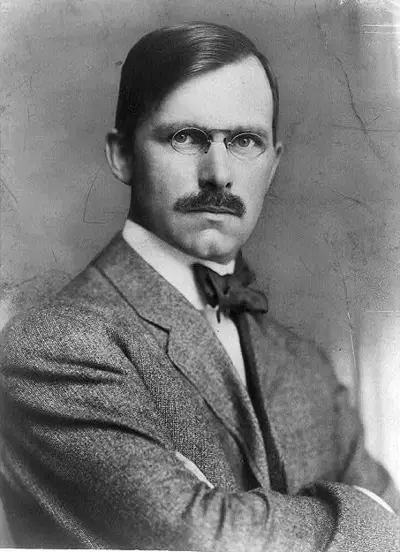
Ray Stannard Baker (also known by his pen name David Grayson) was an American journalist, historian, biographer, and author.
