Albert Camus Quotes
One leader, one people, signifies one master and millions of slaves.
Camus, Albert. The Rebel. Translated by Anthony Bower, Vintage Books, 1956.


Describing the proposed U. S. Constitution:


As a result of the programs and philosophy he expounded, Leontiev joyously predicted:

This speech was officially prepared and read to the six Indian tribes of the Iroquois Nation. The purpose was to persuade the Iroquois Indians to stay neutral (see {583726}) in the coming conflict with England. The Iroquois had traditionally traded peaceably with the colonists and on many occasions the colonists and the Iroquois had fought against the French and other Indians. Unfortunately, a Mohawk chief, Joseph Brant, had traveled to England and been educated there. He, following the conventional wisdom of the day persuaded most of the Iroquois tribes to join the obvious winner—England—and fight on their side. Only the Oneida tribe resisted Brant’s advice, and joined the revolutionists. The result was a civil, fratricidal war of not only white, but also the Iroquois Indians who had been at peace with each other since any could remember. When the colonists won, the Oneida were warmly embraced and participated in New York and other colonial life and activities. The relationship was so good that a little over 200 years later the average earnings of the Indian in New York State exceeded that of the average white man. The other 5 Iroquois tribes however were attacked and driven out of their traditional territories and they fled with Joseph Brant to English Canada where they have not yet fully recovered their important place in the society.

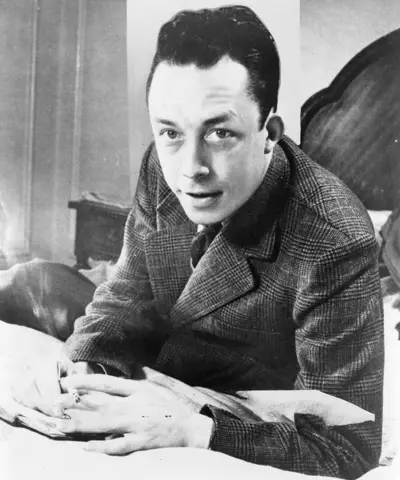
Albert Camus was a French philosopher, author, and journalist. He won the Nobel Prize in Literature at the age of 44 in 1957, the second-youngest recipient in history. His works include The Stranger, The Plague, The Myth of Sisyphus, The Fall, and The Rebel.
