William Safire Quotes
One difference between French appeasement and American appeasement is that France pays ransom in cash and gets its hostages back while the United States pays ransom in arms and gets additional hostages taken.
Safire, William. "Essay: The French Connection." The New York Times, 27 Nov. 1986, p. A27.

At the time the United States was leading a very effective set of economic sanctions against Iran for the express purpose of pressuring them to abandon their nuclear development program that could also be used for nuclear weapons development.

She served as the head of the Task Foce that the President asked to come up with better poliocies and procedures for coping with situations were Americans were being held hostage for ransom. The poliocy had been that the United States would not pay meny for hostages and it was a crime for the families and friends to do so. After the report, the government still would not pay terrorists for hostages, but the new policy allowed family and friends to do so if they wanted. A number of Amricans have been murdered when hostage money was not paid. Some argue that the government should pay the ransom lest life and death depend on the wealth of the family of the victim. Most terrorism experts argue against paying at all. In addition to encouraging the terrorists to take more Amercian hostages, the hostage money goes to the terrorists who use it to endanger and kill other Americans. There is no good answer to this situation.


Kennan was talking about the Russians, but the same principle seems to hold with any autocratic government and in some cases even democracies. However, the tradition of secret diplomacy with no transparency is established even in many democracies. Great Britain and France, for example conduct most of their diplomacy in secret as do less democratic governments and tyrannies. They expect us to keep negotiations confidential, which causes American diplomats to be torn between the American view of transparency and the tradition of confidentiality.


Attila the Hun. They were discussing a structure for negotiating Attila’s grievance against Rome.


2nd Viscount Melbourne. The “American treaty” was the Webster–Ashburton Treaty to adjust the final borders between Canada and the United States that were still in dispute from the War of 1812. Note that the British Prime Minister was critical of the position that was being taken be some British diplomats. In many American negotiations with Russia and others, there are hard liners who believe that the negotiators want too much to preserve peace and are not sufficiently willing to go to war for the nation’s principles and honor. As this quotation shows, this is not just an American phenomenon, but in almost all nations there are hard liners critical of all international negotiations and fearing that a desire for an agreement will undermine the positions that should be taken. This is an example where the hard liners were on the non American side.
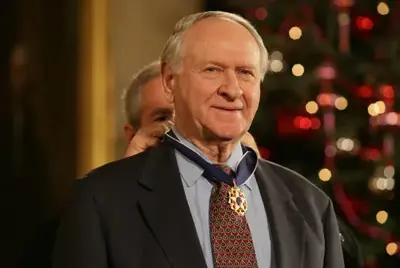
William Lewis Safir, better known as William Safire (/ˈsæfaɪər/), was an American author, columnist, journalist, and presidential speechwriter. He was a long-time syndicated political columnist for The New York Times and wrote the "On Language" column in The New York Times Magazine about popular etymology, new or unusual usages, and other language-related topics.
