Otto Lilienthal Quotes
Numerous technicians in every state are doing their utmost to achieve the dream of free, unlimited flight and it is precisely here where changes can be made which would have a radical effect on our whole way of life. The borders between countries would lose their significance, because they could not be closed off from each other. Linguistic differences would disappear, as human mobility increased. National defense would cease to devour the best resources of nations as it would become impossible in itself. And the necessity of resolving disagreements among nations in some other way than by bloody battles would, in its turn, lead us to eternal peace.
He was totally wrong. This quotation is important because the cultural and practical value of new science or technology is often very unclear to the scientists and inventors themselves. Until humans start to integrate the science and use the technology, the cultural, ethical, and political patterns of usage are not easily predicted. Humans are the unpredictable elements of the system.
Otto Lilienthal. 1848–1896, German Glider Developer & Aviation Pioneer, His vision of what human flight would mean to mankind, Letter to Moritz von Egidy, January 1894
Sourced by: Eigen's Political and Historical Quotations


He was trying to develop an airplane the decade before the Wright Brothers succeeded. However their work did not emerge out of thin air. They had read Chanute’s reports and credit him with a number of their ideas. Chanute, like the Wright Brothers and oither early air pioneers were optimists about the utility of the airplane as well as its feasibility.


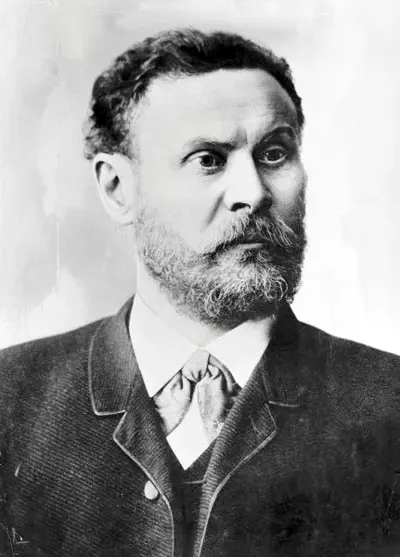
Karl Wilhelm Otto Lilienthal was a German pioneer of aviation who became known as the "flying man". He was the first person to make well-documented, repeated, successful flights with gliders. Newspapers and magazines published photographs of Lilienthal gliding, favourably influencing public and scientific opinion about the possibility of flying machines becoming practical. On 9 August 1896, his glider stalled and he was unable to regain control. Falling from about 15 m (50 ft), he broke his neck and died the next day.
