Jules Verne Quotes
Nothing is more dreadful than private duels in America. The two adversaries attack each other like wild beasts. Then it is that they might well covet those wonderful properties of the Indians of the prairies - their quick intelligence, their ingenious cunning, their scent of the enemy.
Verne, Jules. From the Earth to the Moon. Translated by Louis Mercier and Eleanor E. King, Sampson Low, Marston, Low, and Searle, 1873.


George Washington was our first President. And he was the first President to complain about the quality of the foreign intelligence he was receiving.

The Confederacy was looking to develop sympathy for the their cause, even within the Catholic Church which many Southern Protestants were very prejudiced against. Davis, himself, however, had attended Catholic schools as a youth and almost converted to Catholicism. Reading this letter today we are fascinated by the fact that Davis could ensure the Pope that “everyone” in the Confederacy could enjoy “temorial” rights and also the “free exercise of his religion.” Blacks, a very large proportion of the Southern population, could of course enjoy neither. Davis did not even cover himself by saying :every citizen”. He said “everyone” an absurdity even then, but Jefferson, an otherwise intelligent man, was so prejudiced that he did not consciously realize that he was lying to the Pope whom he respected greatly.

The gun control debate has been so polarizing over the years, that the extremists on each side actually consider the other side as doing great damage to the society if not causing death of innocent people.


Many gun rights advocates are surprised to learn that the communities of the old West had gun control. And it was far stricter than most cities have had in modern times.

Although written by a science fiction writer, this is one of the best quotations arguing for widespread gun ownership.


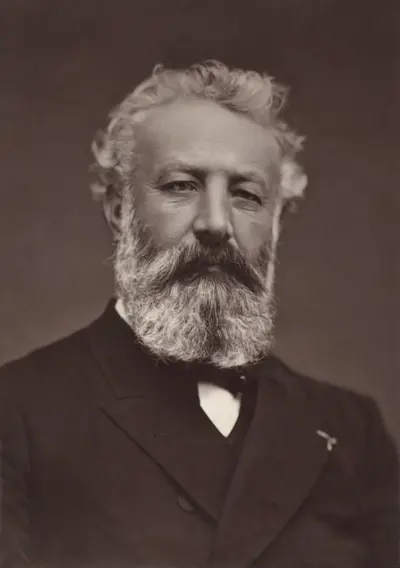
Jules Gabriel Verne was a French novelist, poet, and playwright. His collaboration with the publisher Pierre-Jules Hetzel led to the creation of the Voyages extraordinaires, a series of bestselling adventure novels including Journey to the Center of the Earth (1864), Twenty Thousand Leagues Under the Seas (1870), and Around the World in Eighty Days (1872).
