William Butler Yeats Quotes
Nor dread nor hope attend a dying animal; a man awaits his end dreading and hoping all.
Yeats, William Butler. "Death." The Winding Stair and Other Poems, Macmillan, 1933, p. 28.


The fear of nuclear war was a major emotion for most people in the world at the time. Hard liners like Goldwater were concerned that that fear would undermine support for greater nuclear development and deployment in America and maintaining opposition to nuclear test ban treaties that were under discussion. He made the mistake however of referring to the fear as “craven”, morally denigrating any American who might be in fear of nuclear war, which included just about everyone. So the Democrats took this quotation and used it in their battery of TV ads showing Goldwater as not only a hard liner, but one who had no empathy or understanding for a normal person who feared a nuclear conflict—one who was not to be trusted with the Presidency. Had Goldwater simply argued that legitimate and reasonable fear of nuclear conflict might make the nation too timid and perhaps inadvertently increase the likelihood of nuclear disaster by not standing up to the Russians, he may not have had the resentment from most people who thought Goldwater was calling their fears “craven”.


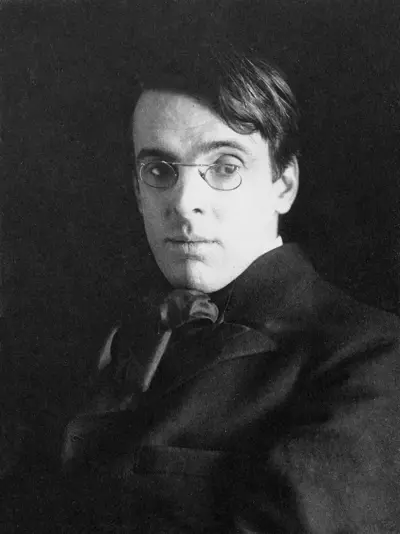
William Butler Yeats was an Irish poet, dramatist, prose writer and one of the foremost figures of 20th-century literature. A pillar of the Irish literary establishment, he helped to found the Abbey Theatre, and in his later years served two terms as a Senator of the Irish Free State. He was a driving force behind the Irish Literary Revival along with Lady Gregory, Edward Martyn and others.
