Ludovic Halevy Quotes
No news is good news.


The Vietnam War did not appear to be going well for the United States. Congressman Murtha and a few other members of Congress asked the Commanding General what Congress should do in its oversight role. One problem is that most members of Congress took Westmoreland’s advice. It turned out that the military was fabricating statistics to show a more favorable outcome, and although the military could and did win any particular battle, the South Vietnamese Regime we were supporting was inept and corrupt, and we were making little strategic progress in the war. Congressional patience was later blamed by many for allowing the war effort to bog down and deteriorate with little or no oversight. At the time the statement was made, this was not a significant quotation. It became more important in the light of what happened. It was then heavily quoted in the Iraq war where the administration counseled Congressional and public patience although significant progress was not being made.


1st Earl of Beaconsfield. He describes this as “the National Motto of England.” Many people associate the phrase with Charles Dicken’s (David Copperfield) character Mr. Micawber, but this was written 22 years after Disraeli.

Note that the President left Taft, then the Secretary of War, as the acting President and NOT the Secretary of State who many people erroneously think is the senior member of the cabinet, nor the Vice President. Roosevelt just put in charge the man he was most comfortable with. Interestingly, neither the Vice President or the Secretary of State objected or were disappointed. It was generally acknowledged that Taft was the best and strongest leader in the cabinet and that he was as close to the president as possible. See {640479} for a cartoon quotation that was created about Taft’s assignment.


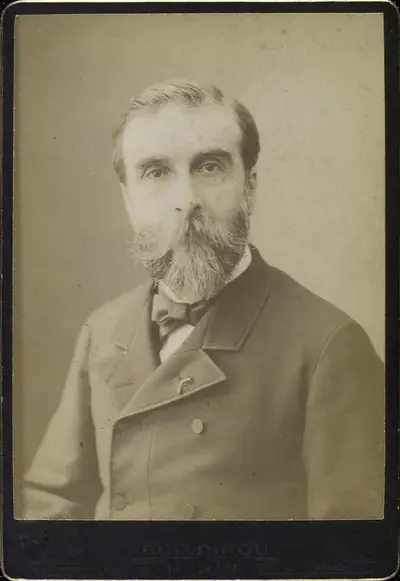
Ludovic Halévy was a French author and playwright, best known for his collaborations with Henri Meilhac on Georges Bizet's Carmen and on the works of Jacques Offenbach.
