Martin Luther King Jr. Quotes
Men often hate each other because they fear each other; they fear each other because they don't know each other; they don't know each other because they can not communicate; they can not communicate because they are separated.
King, Martin Luther, Jr. Stride Toward Freedom: The Montgomery Story. Harper & Brothers, 1958, p. 33.


At the time very few national leaders and still fewer politicians were willing to even criticize McCarthy or his methods. Flanders, in a great example of political courage, did so.

At the time he was referring to Protestants & Catholics. Today we have Muslims vs. Jews & Christians.

A similar explanation was given for the War on Terror attacks and the enmity that Islamic extremists had for the United States by American leaders in the early part of the 21st century.

This quotation is classic as it was the first of a series of attacks that have been made on presidents and other politicians by the economic ultra-rightists when the conservatives had disliked the politician’s economic policies. To criticize the ultra-rich and their corporations was promoting class warfare. And that criticism being made public certainly upset the confidence of the rich in the President. When the president pointed out how the average person feels about the rich, to them it was he who was responsible for the mistrust and hatred by talking about them—not them by what they were doing. This same attack has been made against every Democratic President that came thereafter, but it was first used against Republican Theodore Roosevelt. For many Liberals, the way they know that they are starting to succeed with economic reform is when they get attacked for fomenting class warfare.


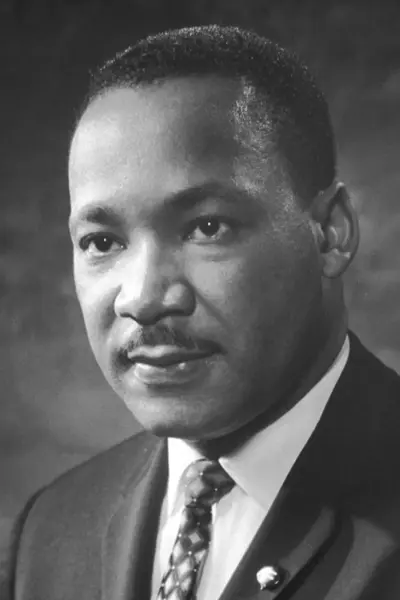
Martin Luther King Jr. was an African American Baptist minister and activist who became the most visible spokesperson and leader in the American civil rights movement from 1955 until his assassination in 1968. King advanced civil rights through nonviolence and civil disobedience, inspired by his Christian beliefs and the nonviolent activism of Mahatma Gandhi. He was the son of early civil rights activist Martin Luther King Sr.
