Booker T. Washington Quotes
Men may make laws to hinder and fetter the ballot, but men cannot make laws that will bind or retard the growth of manhood.
Washington, Booker T. The Future of the American Negro. Small, Maynard & Company, 1899.


In Philadelphia, the state delegates had just started to vote for independence. The majority of each state delegation determined the vote for the state. Delaware had three delagates, but only two were in Philadelphia. Rodney, the third delegate from Delaware, had been attending a meeting in Dover when he received word that the other two Delaware delagates Thomas McKean and George Read were split—McKean for and Read against independence. Rodney immediately left for Philadelphia late on July 1. He rode all night in a thunderstorm to traverse the 80 miles to Philadelphia. He arrived in his spurs and riding boots and cast his famous vote and thus Delaware voted for Independence. After the vote, the next 2 days were spent drafting the Declaration of Independence and Rodney signed it on July 4. After Rodney returned to Delaware, he was ousted in the next election by conservative loyalists who felt that Rodney had betrayed them and England.


At the time less than 10% of the Southern Blacks were allowed to vote. The result was that Southern segregationists were elected to Congress even in a state like Mississippi which had a majority Black population, The Southern segregationist bloc was large enough that with a few very conservative Republicans, they formed a coalition could block any civil rights legislation including voting rights reform,


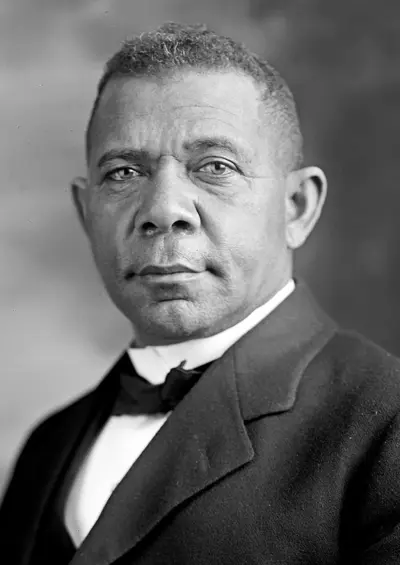
Booker Taliaferro Washington was an American educator, author, orator, and adviser to several presidents of the United States. Between 1890 and 1915, Washington was the dominant leader in the African American community and of the contemporary black elite. Washington was from the last generation of black American leaders born into slavery and became the leading voice of the former slaves and their descendants. They were newly oppressed in the South by disenfranchisement and the Jim Crow discriminatory laws enacted in the post-Reconstruction Southern states in the late 19th and early 20th centuries.
