Pearl S. Buck Quotes
men cannot be free in a nation where women are forbidden freedom.
Buck, Pearl S. Of Men and Women. John Day Company, 1941, p. 19.


This quotation illustrates the statement of a reform principle to appease international interests in basic human rights. This type of statement provides the “fig leaf” for the UN and other organizations to pretend that international standards of human rights are being maintained. Nasser did not implement this principle. By the beginning of the 21st century, Egypt was finally making some progress on women’s equality issues. The prohibition on female members of Parliament—{586723}—had been reversed but women were still not allowed to be judges in a criminal trial, laws against infant female circumcision, and other elements of female equality were still not in existence.


This remarkable statement was written in about 1840 and there was probably then few people of either gender who would think such a thing possible.


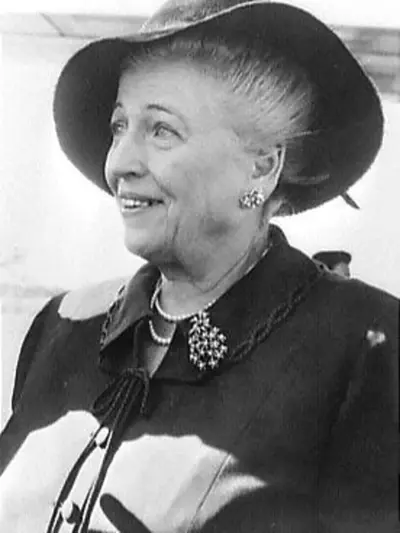
Pearl Sydenstricker Buck also known by her Chinese name Sai Zhenzhu (Chinese: 赛珍珠) was an American writer and novelist. As the daughter of missionaries, Buck spent most of her life before 1934 in Zhenjiang, China. Her novel The Good Earth was the best-selling fiction book in the United States in 1931 and 1932 and won the Pulitzer Prize in 1932. In 1938, she was awarded the Nobel Prize in Literature "for her rich and truly epic descriptions of peasant life in China and for her biographical masterpieces". She was the first American woman to win the Nobel Prize in Literature.
