Charles Duhigg Quotes
Martyrs - those killed because of their Catholic faith - can be beatified even if they don't perform a miracle. However, all beatified individuals must stage a certifiable miracle before being made a saint.
Duhigg, Charles. The New York Times, 2008.


The boycott had been triggered by a breakup of a mixed marriage where the Protestant wife took her two children to Belfast and would only reunite with her husband if he agreed to bring up the children as Protestants. This brought Catholic accusations of a Protestant conspiracy and plot to kidnap Catholic Children and take them to Northern Island to be brought up as Protestants. The boycott soon ended as it was too unfair for all but the most rabid Anti-protestants.

Hamilton had studied with Martin Luther at Wittenberg and returned to Scotland where he converted many from the Catholic Church. He was offered a chance to recant and spare his life but he refused. He became the first Protestant Martyr in Scotland and his death brought many new converts.
While the Visigoths had some very advanced legal principles, this law, quoted in its entirety is typical of the nations that were part of the Catholic world. The church and its doctrines were immune from any possible criticism, explicit or implicit. This is the most formalized and sophisticated compendium of laws of the so-called “barbaric peoples” of Europe. The compilation was in many ways a documentation of the traditional laws of the Visigoths that had evolved over hundreds of years.
Diversarum Hereseon Liber. This compendium of heresies would be funny but for the fact that people lived and died according to their “acceptance” of some of these absurdities.


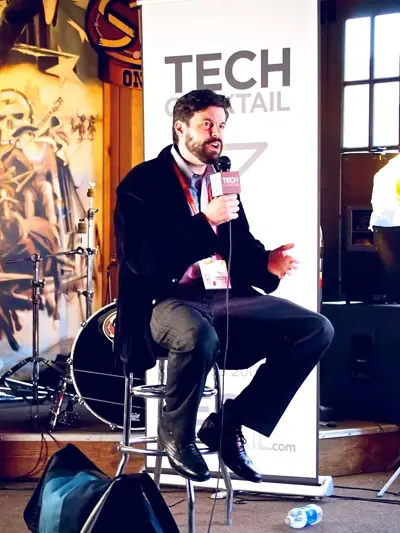
Charles Duhigg (born 1974) is an American journalist and non-fiction author. He was a reporter for The New York Times, currently writes for The New Yorker Magazine and is the author of two books on habits and productivity, titled The Power of Habit: Why We Do What We Do in Life and Business and Smarter Faster Better. In 2013, Duhigg was the recipient of the Pulitzer Prize for Explanatory Reporting for a series of 10 articles on the business practices of Apple and other technology companies.
