Ben Jonson Quotes
Many might go to heaven with half the labour they go to hell, if they would venture their industry the right way.
Jonson, Ben. Timber: or, Discoveries Made Upon Men and Matter. Thomas Walkley, 1641.


If American fighting men were not killed in the war, they returned to the United States at Hoboken, New Jersey where the troop ships debarked. If the solder didn’t return through Hoboken the assumption was his destination was one of the other two alternatives. It is believed that Cook did not originate the phrase which had circulated in the oral military scuttlebutt of the day. He was the first to write it.

One Islamic belief that has stood since the inception of the religion is that if a true believer who is defending the faith in a jihad is killed, he will immediate be transported to Paradise where he will receive the best of the other world. If a Muslim dies under normal circumstances, he is judged and may or may not attain Paradise depending on his past life. However, if he dies in jihad, all past sins are immediately erased and he is guaranteed Paradise. This quotation is exactly what is told to Muslim fighters and suicide bombers today (see {635766}, {588728} and {590762}) and it is just as effective as ever in persuading men to fight and sacrifice themselves. The Roman Catholic Pope issued a similar edict in the Crusades and fights of both religions were willing and almost anxious to die in battle. In modern times Christian leaders do not make such appeals and if they did, few would believe them.


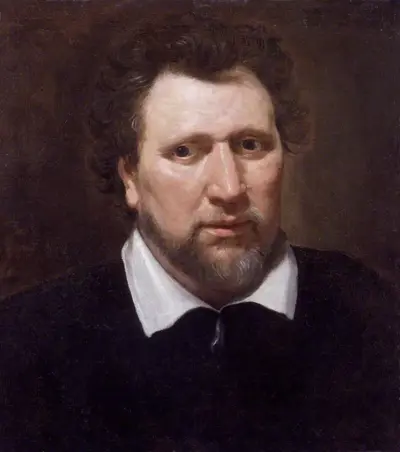
Benjamin Jonson was an English playwright and poet. Jonson's artistry exerted a lasting influence upon English poetry and stage comedy. He popularised the comedy of humours; he is best known for the satirical plays Every Man in His Humour (1598), Volpone, or The Fox (c. 1606), The Alchemist (1610) and Bartholomew Fair (1614) and for his lyric and epigrammatic poetry. "He is generally regarded as the second most important English dramatist, after William Shakespeare, during the reign of James I."
