Robin DiAngelo Quotes
Mainstream dictionary definitions reduce racism to racial prejudice and the personal actions that result. But this definition does little to explain how racial hierarchies are consistently reproduced.
DiAngelo, Robin. White Fragility: Why It's So Hard for White People to Talk About Racism. Beacon Press, 2018, p. 73.


Charleston was in the Southern part of the state where most people supported slavery. Douglas made an unequivocal pitch for the racist vote {600060} and forced Lincoln to take a stand. Like many politicians today, Lincoln decided to give the audience what they wanted to hear. It is not clear whether or not he ever believed this statement or was just pandering in a political campaign. He had never said this in the Northern part of the state of before. Lincoln’s views on race changed and matured over the years, culminating in the Emancipation Proclamation. Lincoln lost the Senate seat to Douglas.


Vladimir Lenin. In their quest for world revolution, the Russian Communists had more problems with arguments in the United States whose reforms and economy had produced a very high standard of living. They knew that to effect a revolution, they had to reach the middle class and the intellectuals. They had little economically to attack America with but they were able to attack the United States morally. Even though segregation was legal in America at that time, many Americans thought it immoral. Most of the rest of the world did also. So that was one of the attack points. Since the communists opposed U. S. racial segregation, many Southern segregationists used a perverted logic and accused everyone who opposed segregation of being a communist. In addition to racial segregation, the Communists attacked other forms of discrimination such as anti-Catholic, anti-Asian, and anti-Semitic (See {638737} ) behavior.


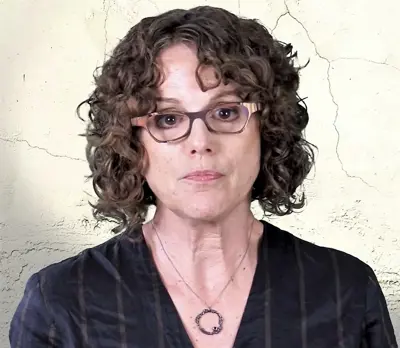
Robin Jeanne DiAngelo is an American author, consultant, and facilitator working in the fields of critical discourse analysis and whiteness studies. She formerly served as a tenured professor of multicultural education at Westfield State University and is currently an Affiliate Associate Professor of Education at the University of Washington. She is known for her work pertaining to "white fragility", an expression she coined in 2011 and explored further in a 2018 book titled White Fragility: Why It's So Hard for White People to Talk About Racism.
