George Eliot Quotes
Let thy chief terror be of thine own soul: There, 'mid the throng of hurrying desires That trample o'er the dead to seize their spoil, Lurks vengeance, footless, irresistible As exhaltations laden with slow death, And o'er the fairest troop of captured joys Breathes pallid pestilence.
Eliot, George. Daniel Deronda. William Blackwood and Sons, 1876.


The revolution turned on many of its initiators including Vergniaud. He was guillotined along with other Girondists.

Nathaniel Bacon had led a rebellion in Virginia and had routed the Governor’s troops and caused him to flee leaving control of Virginia to Bacon and his followers who were far more democratic and advanced. However Bacon succumbed to swamp fever, and his followers could not hold the colony together giving the Governor a chance to establish his authority. He then went on a vengeful reign of terror, executing all of Bacon’s followers he could get his hands on. With no danger to the authority of the Crown, King Charles felt that Berkeley had gone too far. The King’s father Charles I had been executed in the aftermath of the English Civil War, but he had executed far fewer than Berkely had done in Virginia.


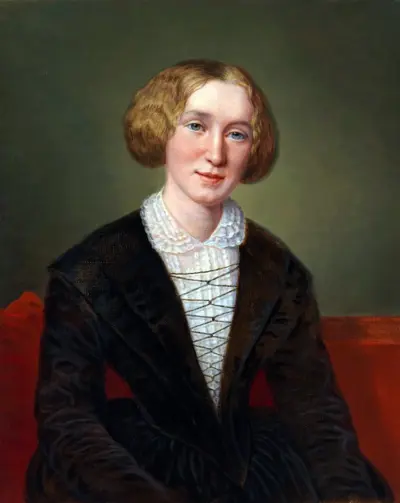
Mary Ann Evans, known by her pen name George Eliot, was an English novelist, poet, journalist, translator and one of the leading writers of the Victorian era. She wrote seven novels, Adam Bede (1859), The Mill on the Floss (1860), Silas Marner (1861), Romola (1862–63), Felix Holt, the Radical (1866), Middlemarch (1871–72) and Daniel Deronda (1876). Like Charles Dickens and Thomas Hardy, she emerged from provincial England and most of her works are set there. They are known for their realism, psychological insight, sense of place and detailed depiction of the countryside.
