Mary Wollstonecraft Quotes
Let not men then in the pride of power, use the same arguments that tyrannic kings and venal ministers have used, and fallaciously assert that women ought to be subjected because she has always been so.... It is time to effect a revolution in female manners - time to restore to them their lost dignity.... It is time to separate unchangeable morals from local manners.
Wollstonecraft, Mary. A Vindication of the Rights of Woman. J. Johnson, 1792.


This statement is referring to the custom of women covering their eyes whenever a man who they did not know passed them. Turks did not ever use Burkas the way some other Muslim countries do, but they wore headscarves and covered their eyes when a strange man appeared. This was a shocking statement in a sexist Islamic culture. Although the process of modernization and reform in Turkey was relatively bloodless, Ataturk was prepared to and did use force to defend it. This and many others made the role of women not only uniquely equal in the Islamic world, but women were suddenly elevated to the level of most Western nations and in voting rights were ahead of most. He used his own family to set an example. See {584503}.


She was the First Lady, who in many ways was also one of the nation’s leading feminists. Betty Ford, Barbara Bush, and Hillary Clinton were also First Ladies who supported key feminist position but ER was 30 years ahead of them—a time when conservatives and sexists viewed her as a dangerous radical. For example, see {585211}.

Her audiences were all familiar with the Adam & Eve Biblical narration.
Some men in the audience hissed as she took the podium.


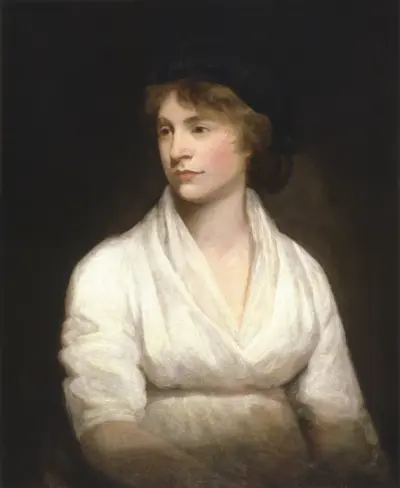
Mary Wollstonecraft was an English writer, philosopher, and advocate of women's rights. Until the late 20th century, Wollstonecraft's life, which encompassed several unconventional personal relationships at the time, received more attention than her writing. Today Wollstonecraft is regarded as one of the founding feminist philosophers, and feminists often cite both her life and her works as important influences.
